
Penguin Highways
What Ōakura’s Kororā are teaching us about sharing our coastline
Along the Taranaki coast, something quietly remarkable is happening after dark.
A recent citizen science journey by an Ōakura family has revealed what many locals have long suspected, our coastline is home to thriving populations of little blue penguins or Kororā.
But alongside the encouraging signs of recovery, the story also highlights how vulnerable these birds remain in shared coastal spaces.
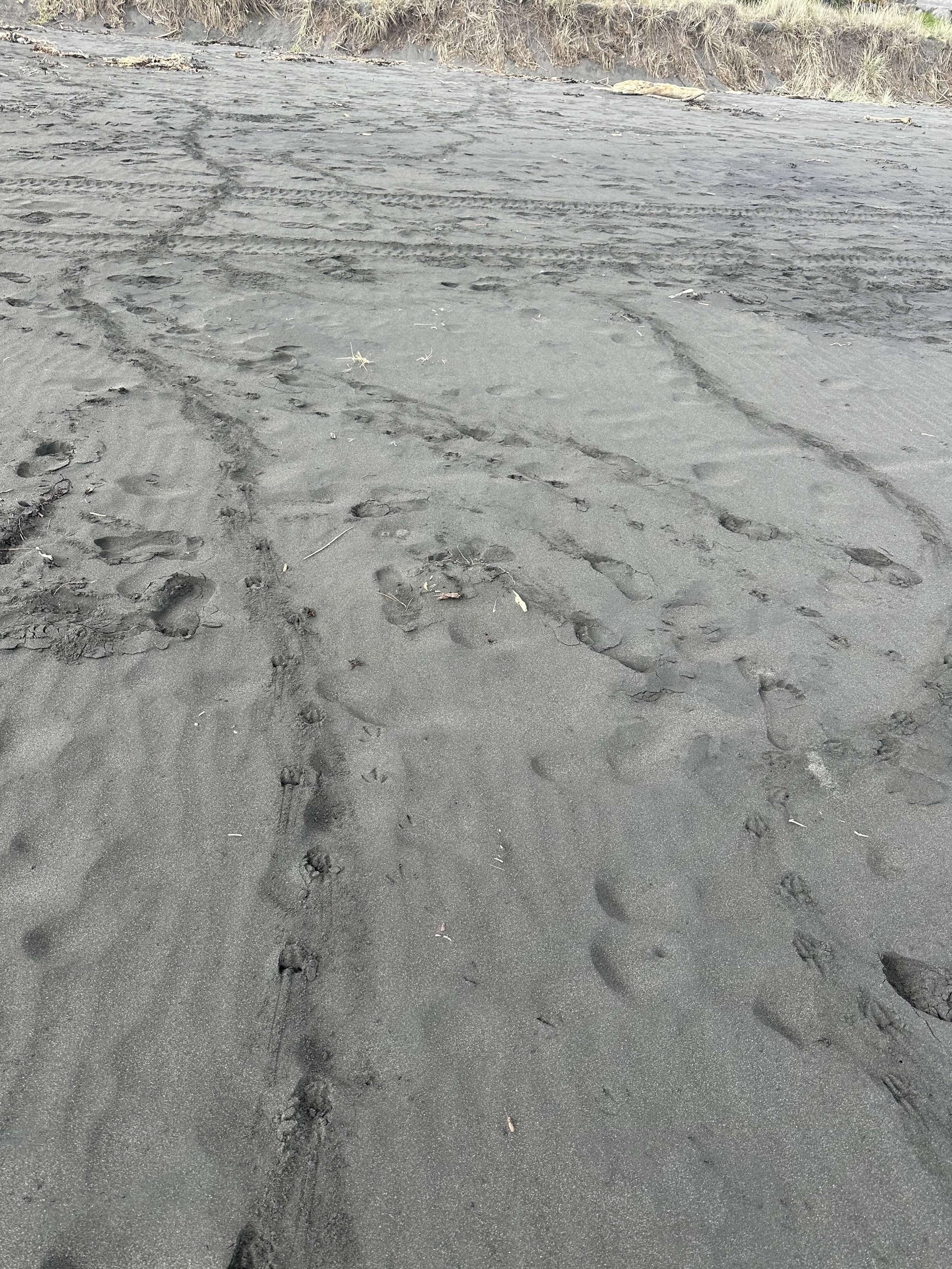
Images below - Felix (8 years old) with Elise Smith, NMMS Committee Member and Kororā monitoring lead and Kororā footprints in the sand at Oakura Beach.
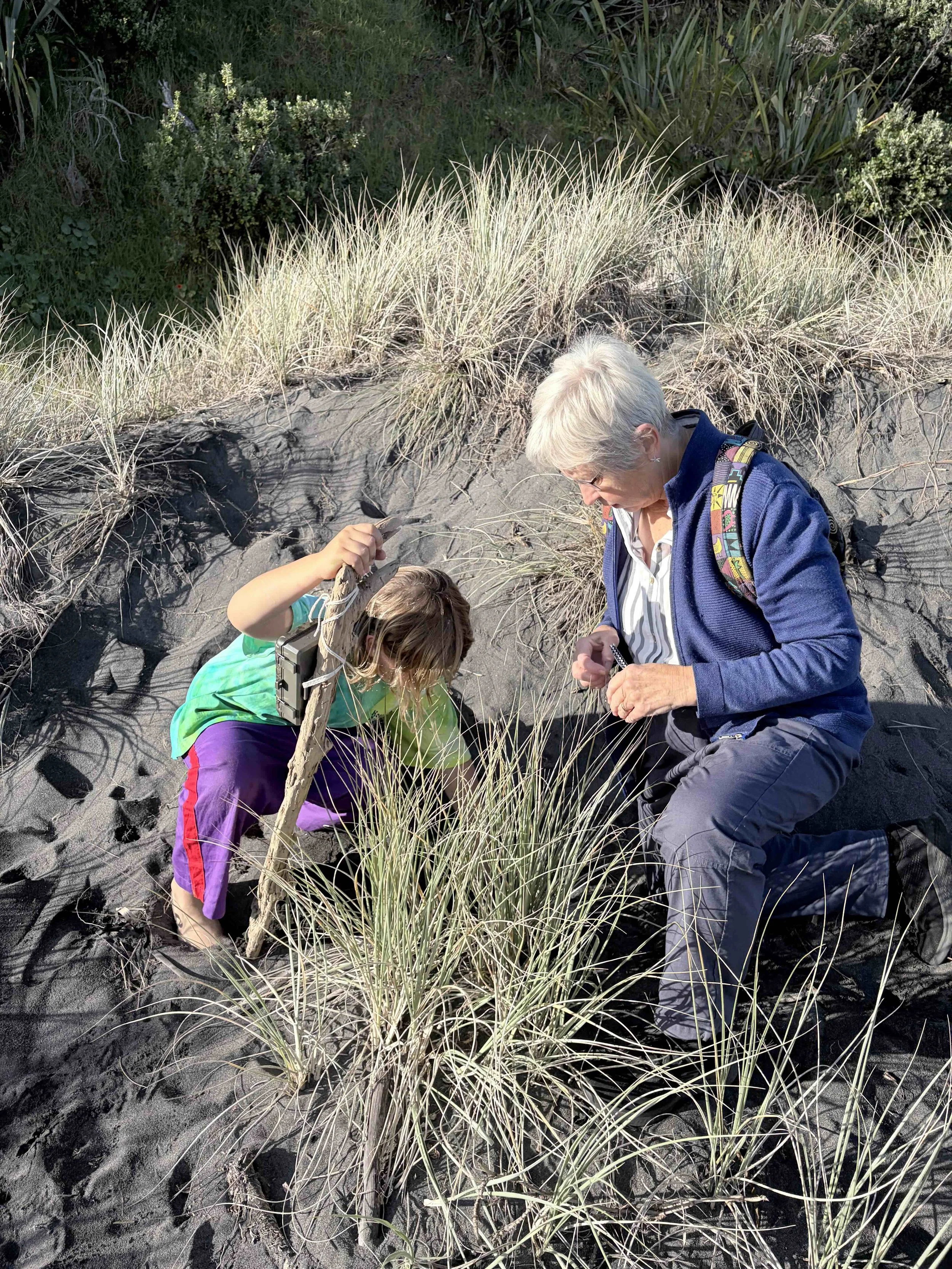

Discovering ‘penguin highways’ at Ōakura Beach
What began as a few unusual footprints in the sand soon became a nightly fascination.
After noticing small, distinctive tracks moving between the sea and dune areas at Ōakura Beach, a recently arrived American family began to look more closely at what was moving through the coastline after dark. The tracks appeared regularly, sometimes in pairs, sometimes in groups, forming what they came to call ‘penguin highways’.
"When we are out there positioning the trail cameras, we are seeing patterns of some penguins returning to the same spots isolated from the rest of the penguins that head toward the boulders, and we’re starting to pick up hints of small stories about these creatures and couples”. [Edyta Materka]
Curiosity quickly turned into commitment. With support and guidance from Elise from Ngāmotu Marine Society, the family made plaster cast Kororā footprints and set up an infrared motion-sensing camera to better understand what was happening along the shoreline at night.
Images below - Casimira (3 years old) making plaster cast Kororā footprints and Felix with the motion-sensing camera
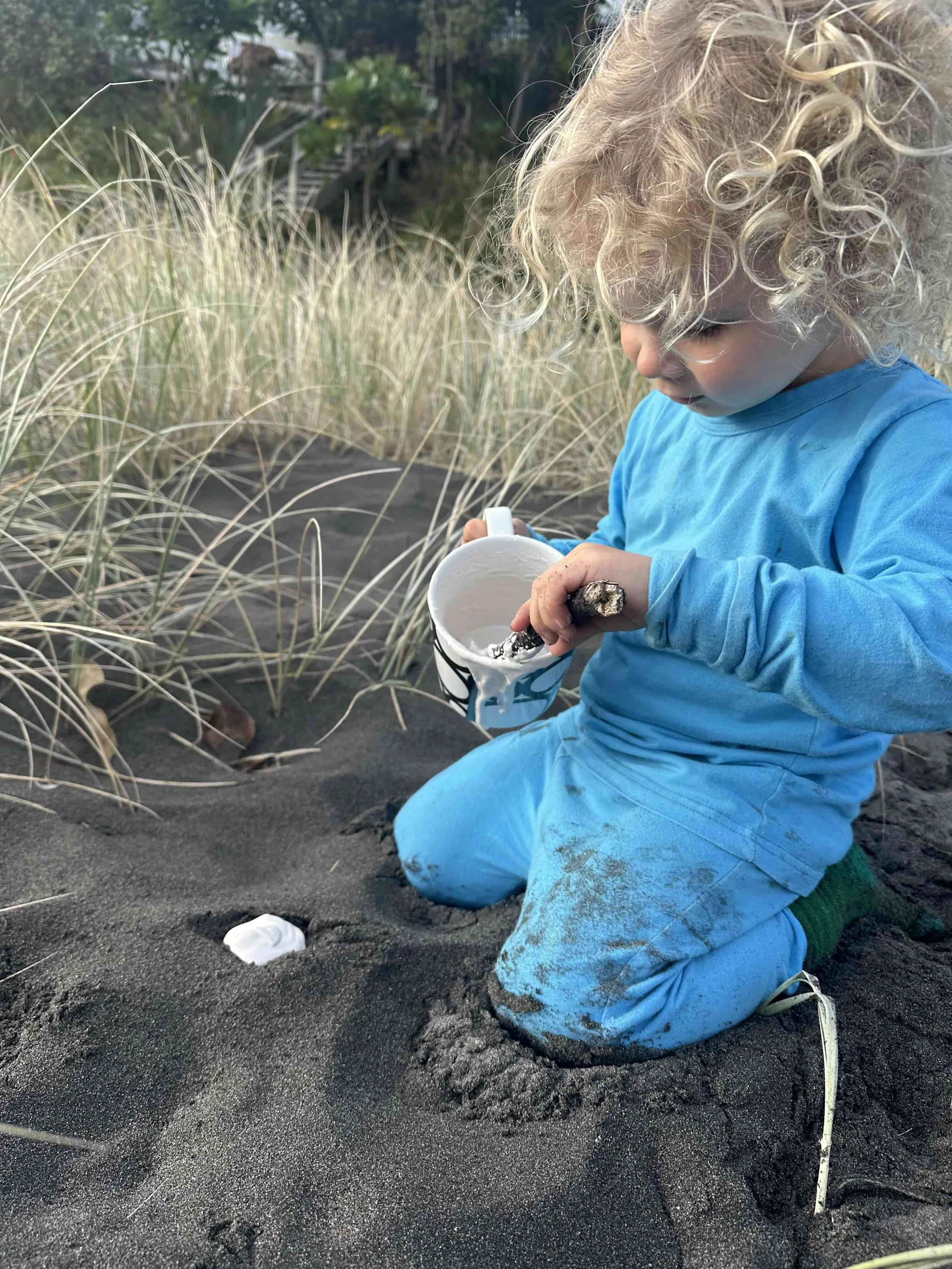
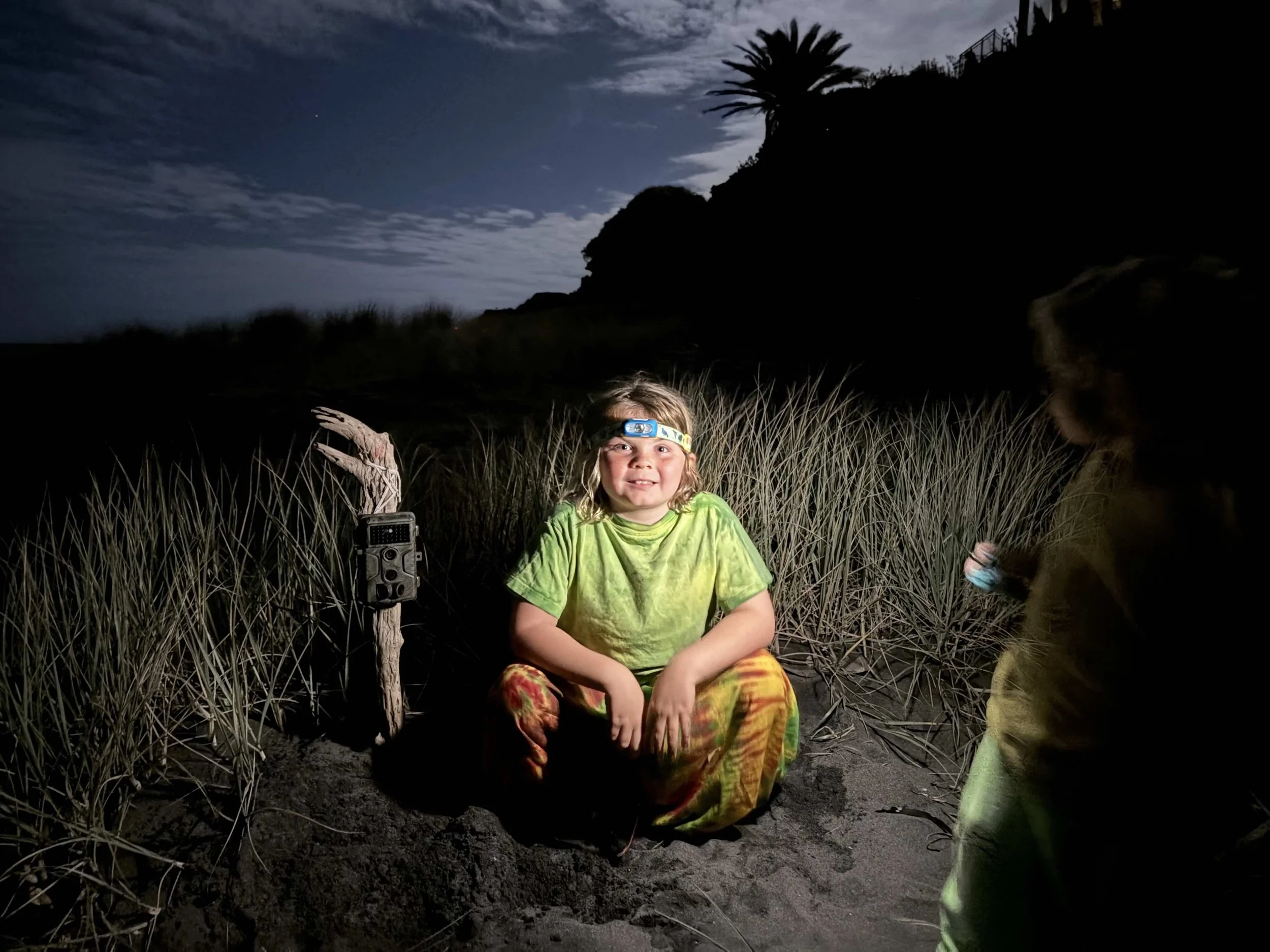
What they captured was both simple and extraordinary: Kororā moving confidently between sea and shore, right under the cover of darkness.
From curiosity to citizen science
The project soon became a shared family effort, and a hands-on introduction to citizen science.
Edyta Materka, Neil Anderson and their Children, Felix, 8, Margaux, 6 and Casimiro, 3, became active participants in checking footage, identifying tracks, and learning how wildlife monitoring works in practice. Over time, the camera began to record more frequent penguin activity, reinforcing what local conservation groups have also been observing: Kororā presence along parts of the Taranaki coastline appears to be increasing.
“Our footage shows kororā penguins not only nestled into the rocks when they come in at night, but also openly hanging out on top of the boulders, jumping above them, calling out to other kororā. They are very active and social. This is really their neighborhood”. [Edyta Materka]
This aligns with broader regional work by groups such as Wild for Taranaki and Predator Free Taranaki, whose predator control and habitat restoration efforts are helping create safer conditions for native coastal species.
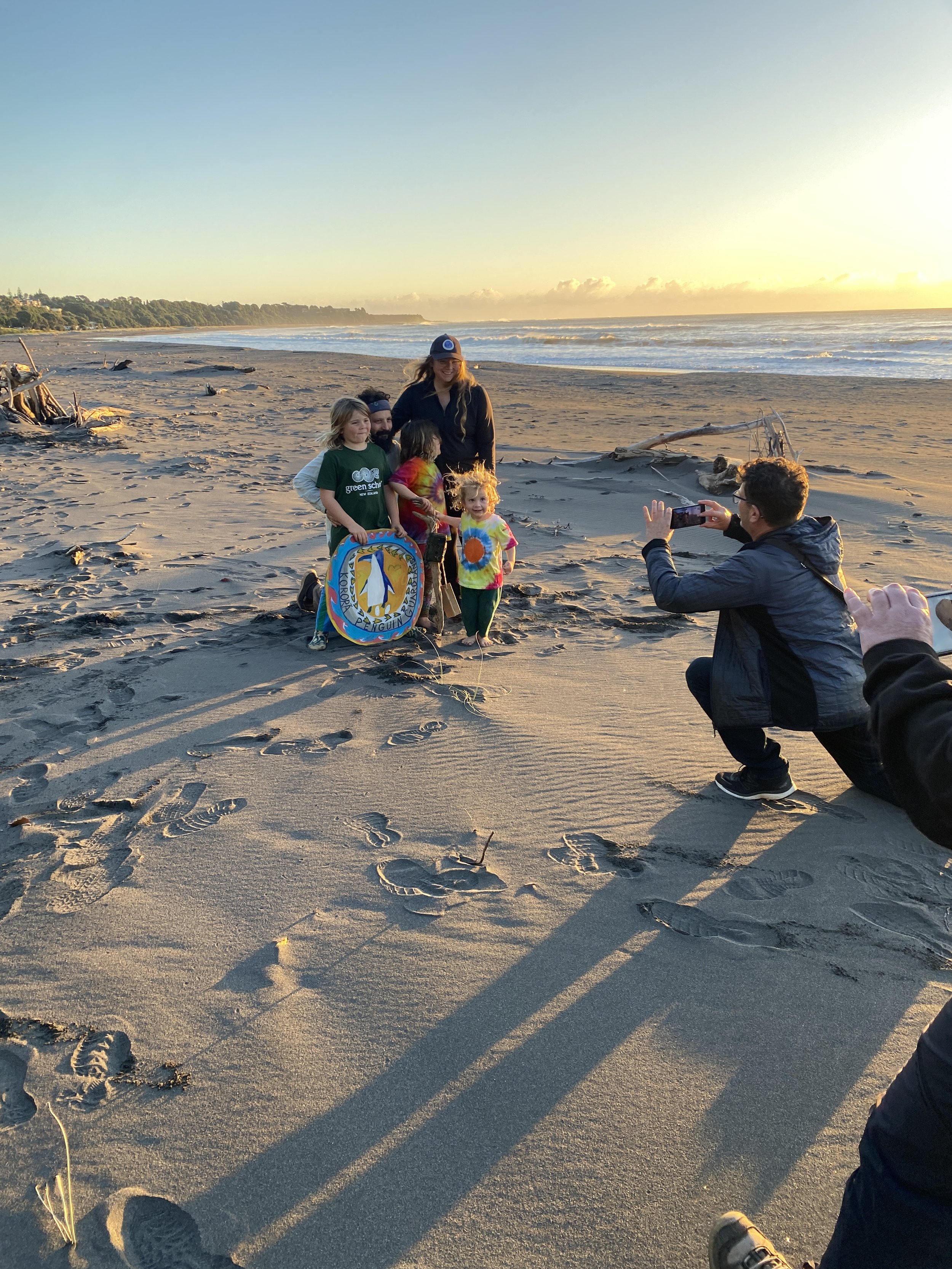
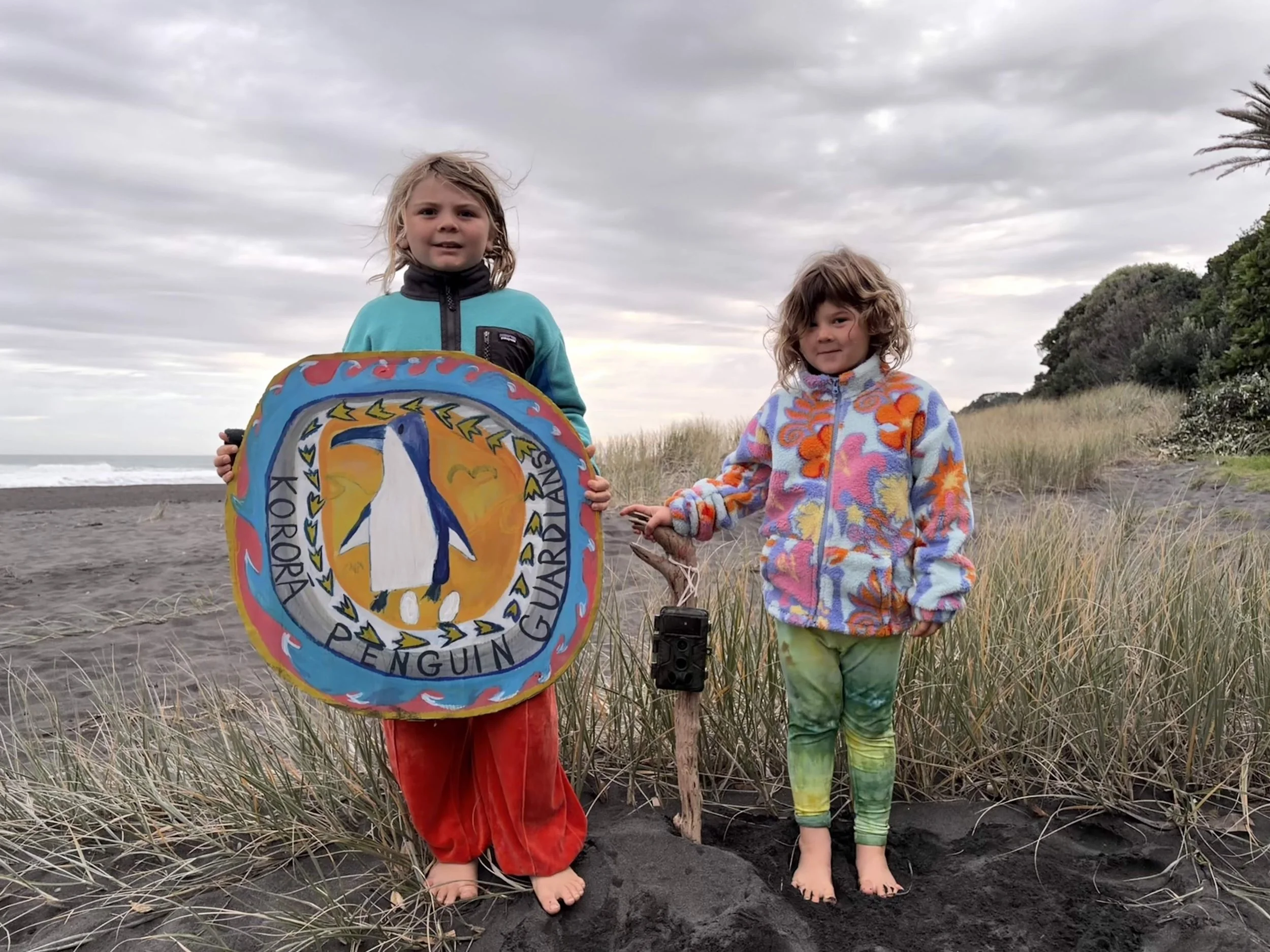
Images below - Neil, Edyta, Margaux, Felix and Casimiro with their sign and the family on the beach with Robyn Martin RNZ Taranaki Correspondant taking photos.
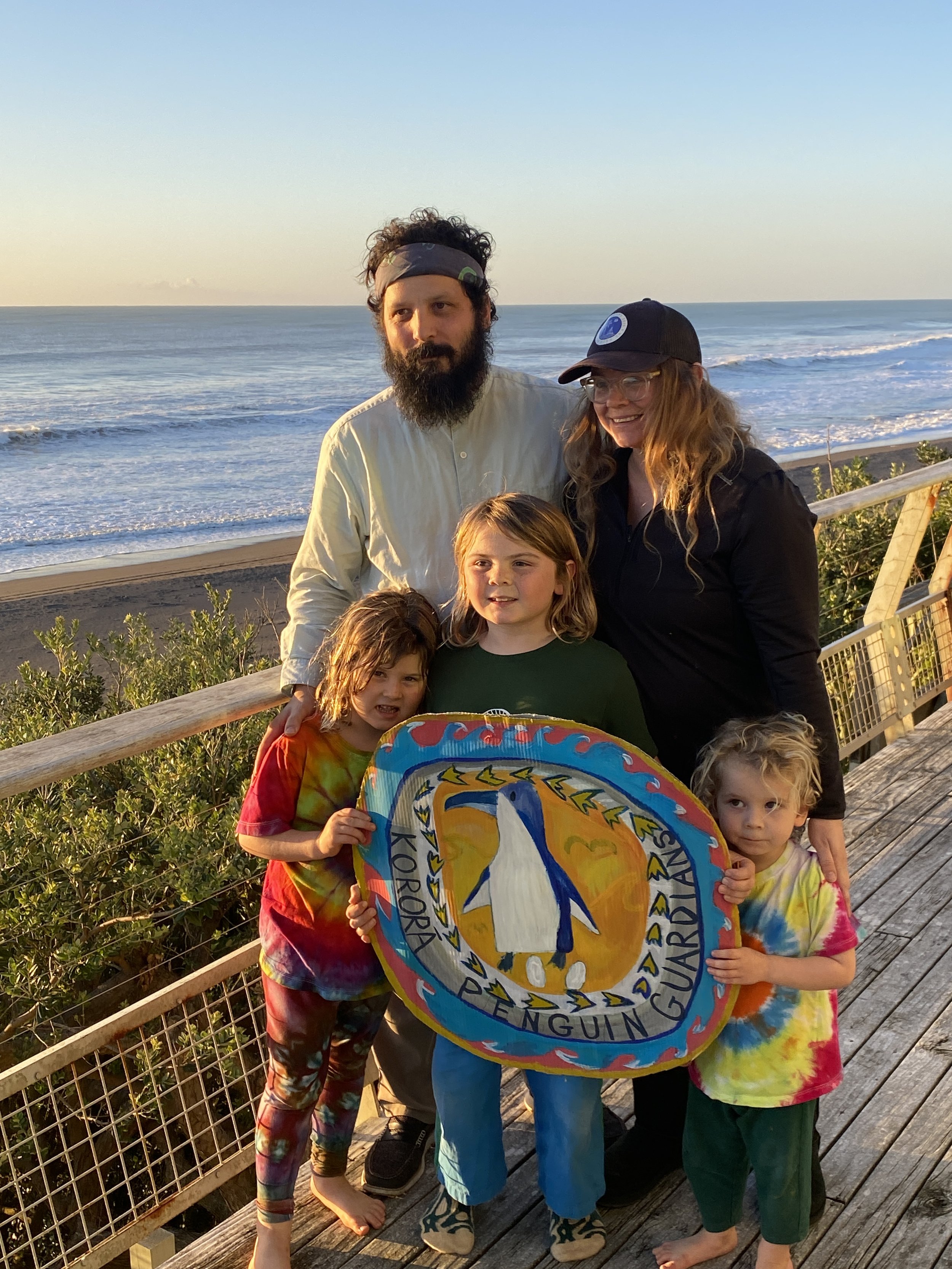
Why more Kororā are being seen
According to conservation experts, several factors may be contributing to increased Kororā sightings along the coast:
Ongoing predator control in coastal areas
Improved awareness of nesting habitats
Possible shifts in food availability offshore
Greater community reporting and monitoring
The Department of Conservation classifies kororā as At Risk – Declining, meaning that while they are not on the brink of extinction, their overall population is still under pressure and requires continued protection.
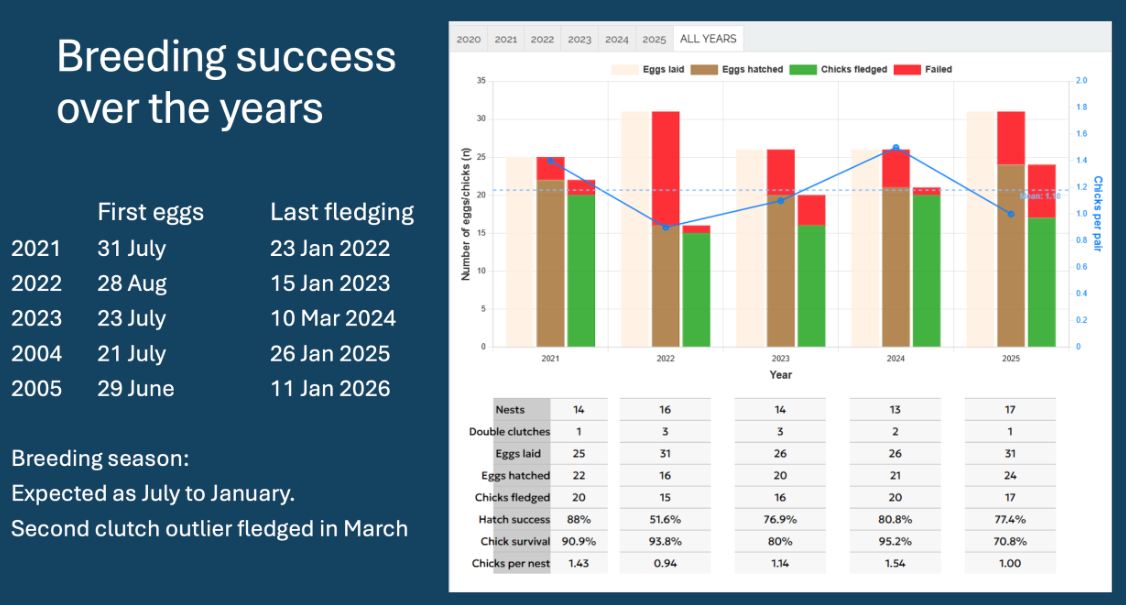
This graph demonstrates that while the number of eggs laid remain consistent, there is no real increase. In addition, hatching success declined in 2025.
The risks still remain
While sightings are encouraging, local conservationists continue to highlight real and ongoing threats.
Motion camera footage and beach observations show that domestic animals, particularly uncontrolled dogs and roaming cats remain a significant risk to kororā along coastal areas.
Even small disturbances near nesting or landing zones can have serious consequences, especially during breeding season.
Local reports have included injuries and fatalities linked to dog interactions, reinforcing the need for vigilance from pet owners.
Becoming “Kororā Penguin Guardians”
Inspired by what they were learning, Edyta and her family created their own identity for the project: Kororā Penguin Guardians.
Their approach reflects something important: conservation doesn’t always start with formal research. Sometimes it starts with footprints in the sand, a camera on a fence post, and children asking questions.
As one of the children involved shared, the experience has made the presence of Kororā feel real and immediate and the need to protect them even more important.
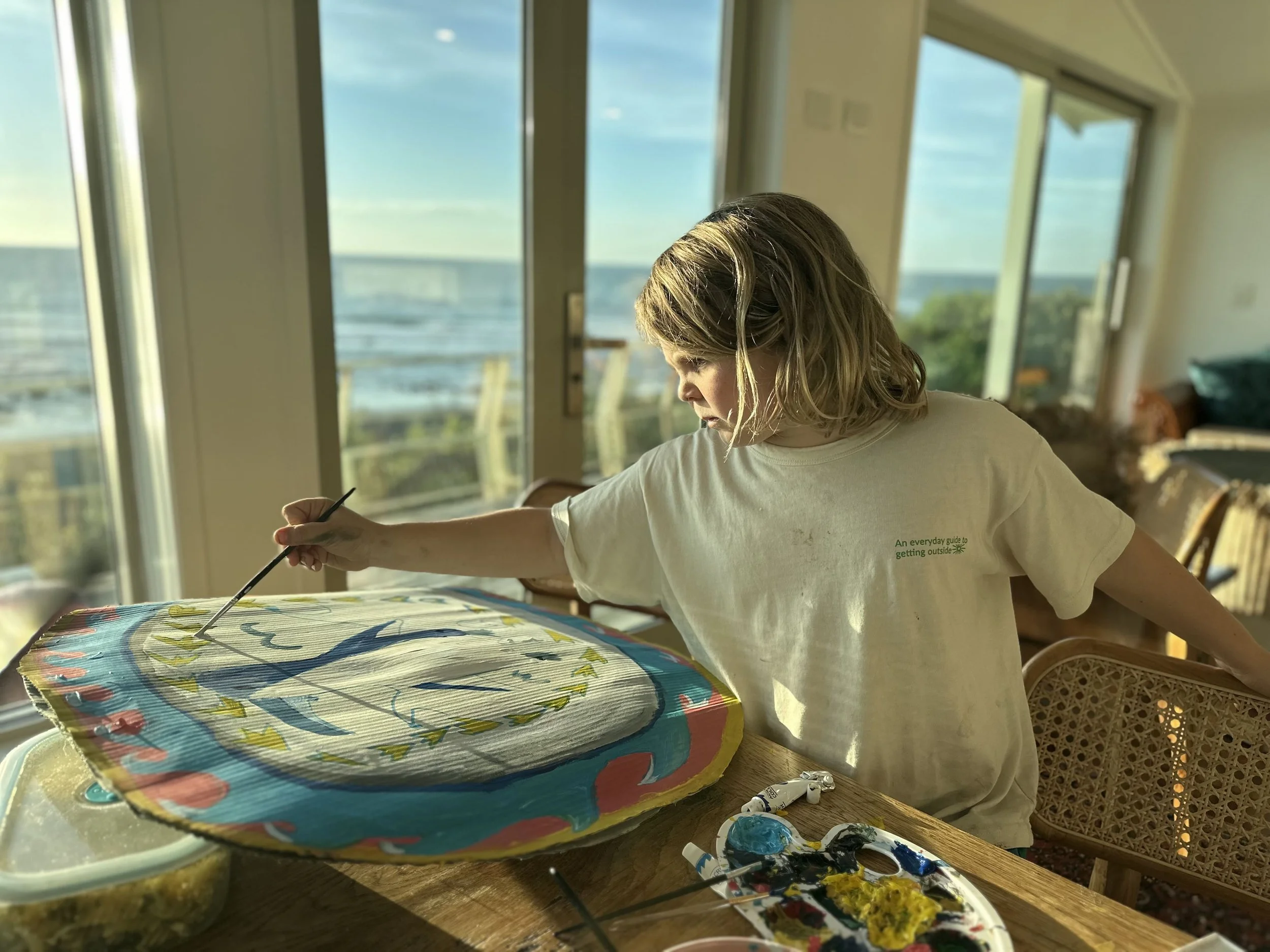
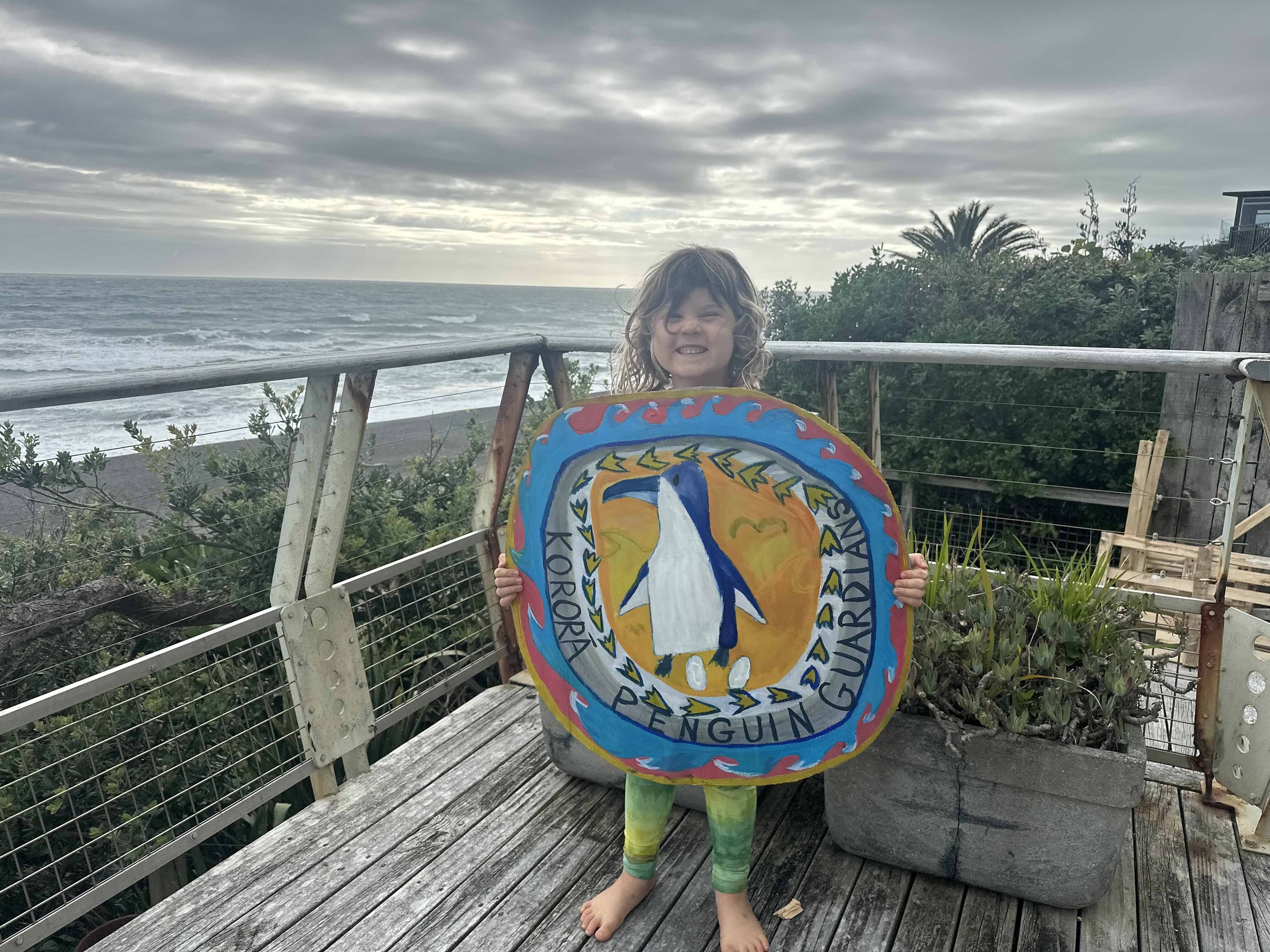
Images below - Felix painting the “Kororā Penguin Guardians” sign and Margaux with the completed sign
Nesting season: how the community can help
As Kororā nesting season gets underway (July through January), simple actions from beach users, residents, and visitors can make a real difference.
Footage from Kororā Penguin Guardians reinforces how closely wildlife and community share this coastline often using the same spaces at different times of day.
“Community involvement and citizen science is also an important part of gathering and sharing information about a local kororā population”. [Edyta Materka]
We’re asking our community to support Kororā in the following ways:
🐧 Keep dogs under close control and follow leash requirements, especially near rocky shoreline habitat and dune systems
🐧 Keep cats indoors at night wherever possible
🐧 Help spread awareness that Ōākura Beach and surrounding coastal areas are home to kororā and other native wildlife
🐧 Avoid disturbing rock walls, dunes, plants and known nesting areas
Every footprint recorded, every camera clip reviewed, and every conversation shared helps build a clearer picture of how these birds use our coastline and how we can better protect them. Report observations on inaturalist.nz
Images below - Felix and Margaux with “Kororā Penguin Guardians” and camera and multiple Kororā sign on the beach
A shared coastline, a shared responsibility
Kororā are resilient, adaptable, and increasingly visible along parts of the Taranaki coast. But their long-term survival depends on continued care from the people who share their environment.
This project is a reminder that conservation is not separate from everyday life at the beach, it is part of it.
Ngāmotu Marine Society extends sincere thanks to Edyta, Neil and children for their curiosity, commitment, and willingness to learn alongside our coastal wildlife. Their work shows what is possible when communities take notice of the small signs our environment gives us.
Together, we can help ensure that kororā continue to call Ōakura, and all Taranaki coastal areas, home for generations to come. 💙