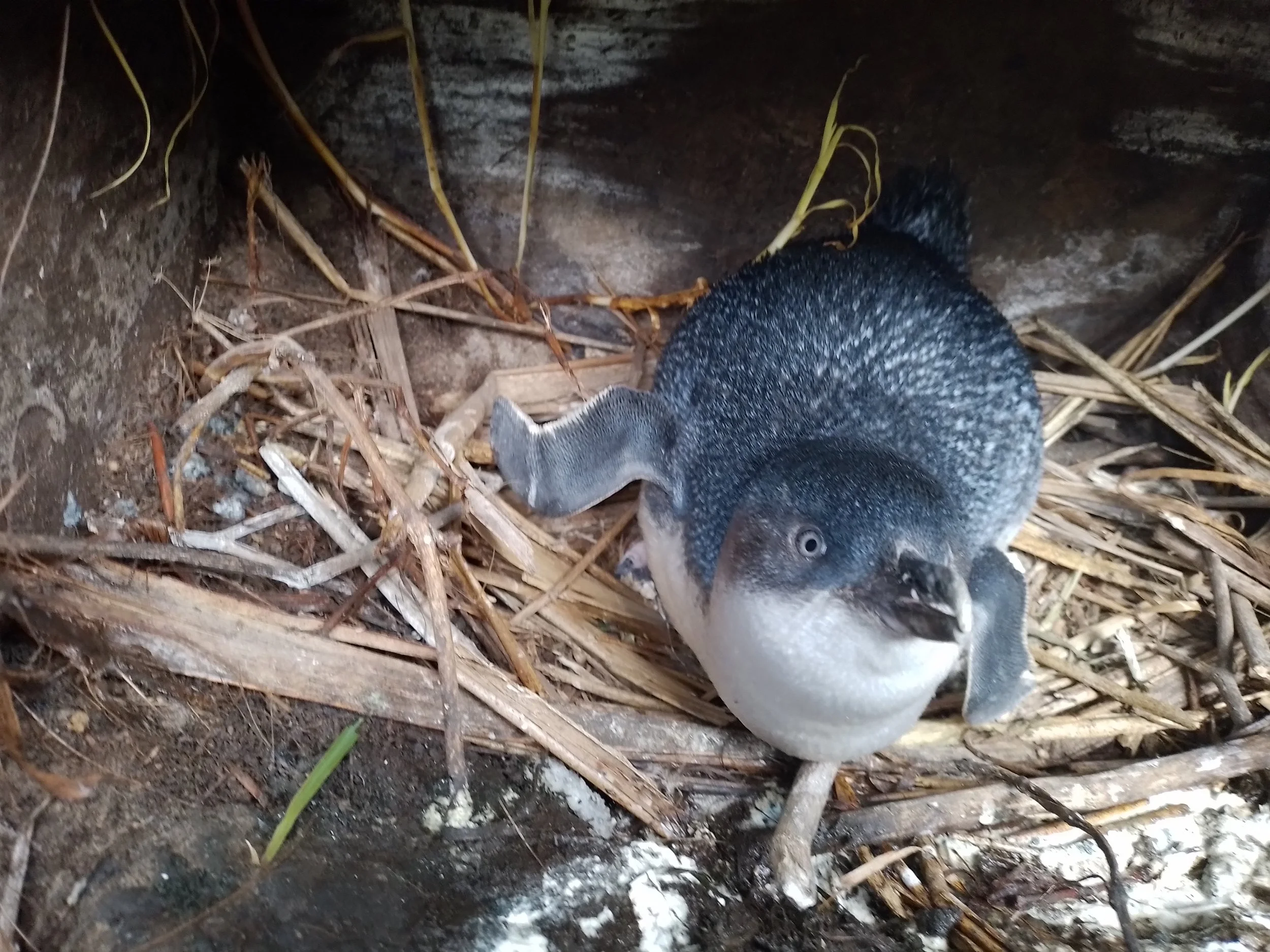
Through education, hands-on conservation and community advocacy, Ngā Motu Marine Society is helping people of all ages understand and protect Kororā.
Protecting kororā (little blue penguins) takes more than good intentions. It takes knowledge, community action and a willingness to make space for wildlife along our increasingly busy coastlines.
Throughout August, September and October, Ngā Motu Marine Society has been involved in a series of activities across Taranaki, working alongside schools, community conservation groups, local organisations and government agencies to raise awareness of kororā and the challenges they face.
From introducing five and six-year-olds to the world of penguin conservation at Green School New Zealand, to cleaning up rubbish on Ōakura Beach and advocating for safer spaces for wildlife at Fitzroy Beach, these activities demonstrate how education and collaboration can turn an interest in nature into meaningful conservation action.
Little learners, big conservation ideas
On 24 August, Ngā Motu Marine Society joined Kororā Penguin Guardians at Green School New Zealand to deliver a special kororā education session for teacher Kelly Ridgway’s combined Year 1 and 2 class.
The visit was a natural fit for the students’ Term 3 learning voyage, which focused on native birds. It also provided an opportunity to connect classroom learning with the wildlife living right on their doorstep.
Images below show Elise Smith (NMMS) with Green School students and taxidermy Kororā (left) and Students with their Kororā focused activity books.
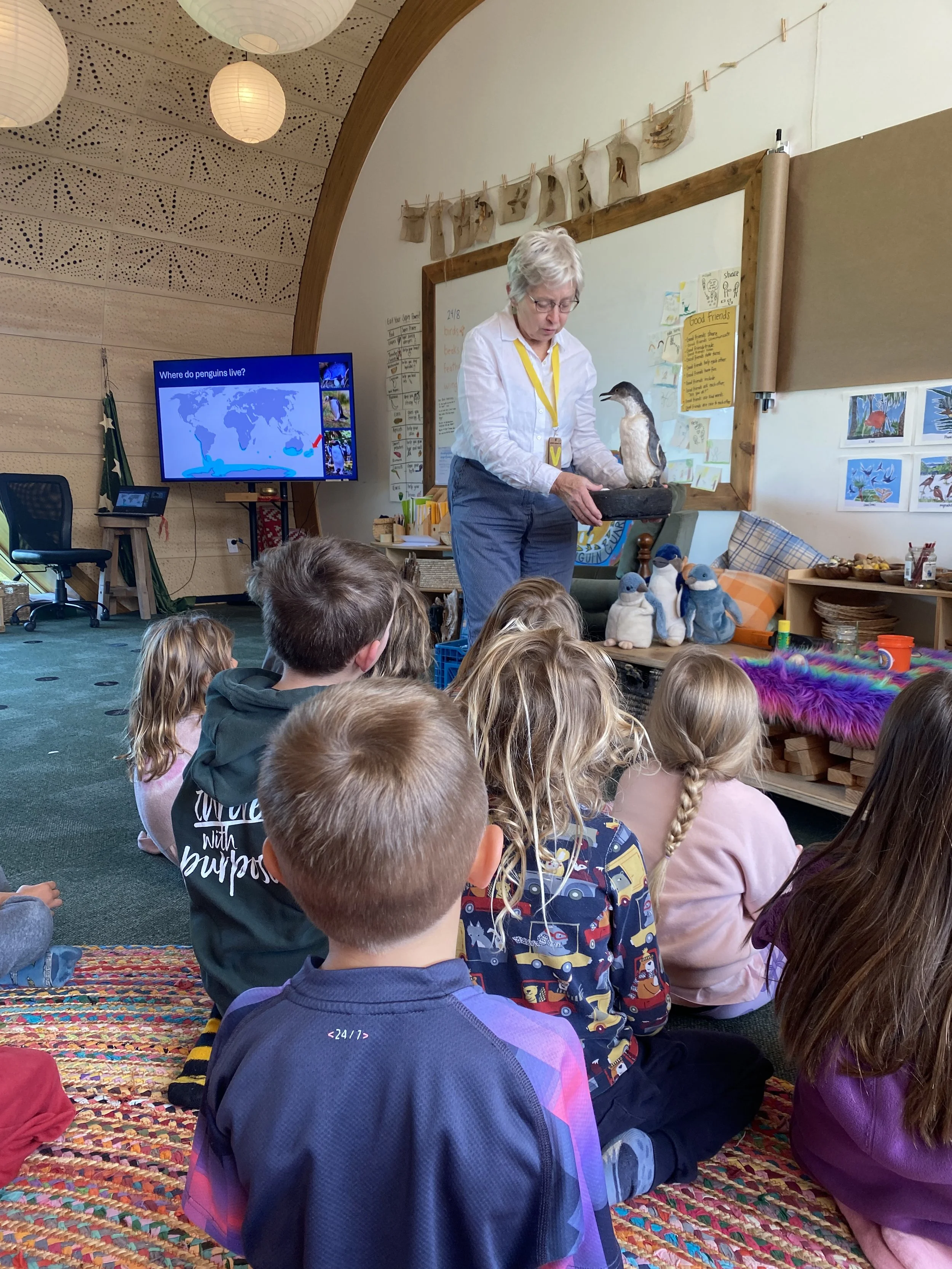
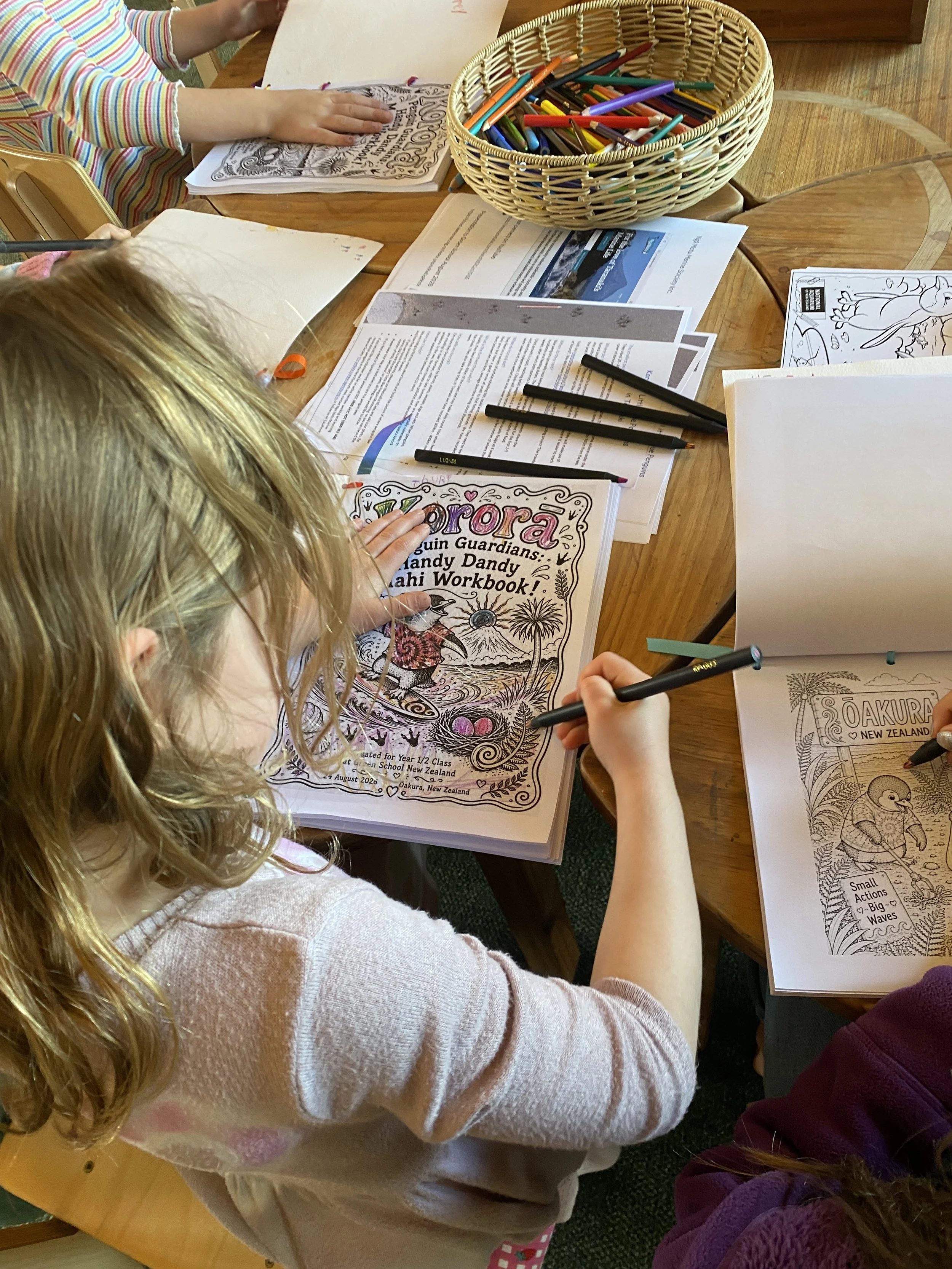
Elise Smith introduced the students to kororā biology and conservation, sharing educational resources, a presentation about penguin tracking, trail-camera footage and recordings of penguin sounds. Students also learned about microchipping technology and had the opportunity to examine a taxidermy kororā and a preserved egg.
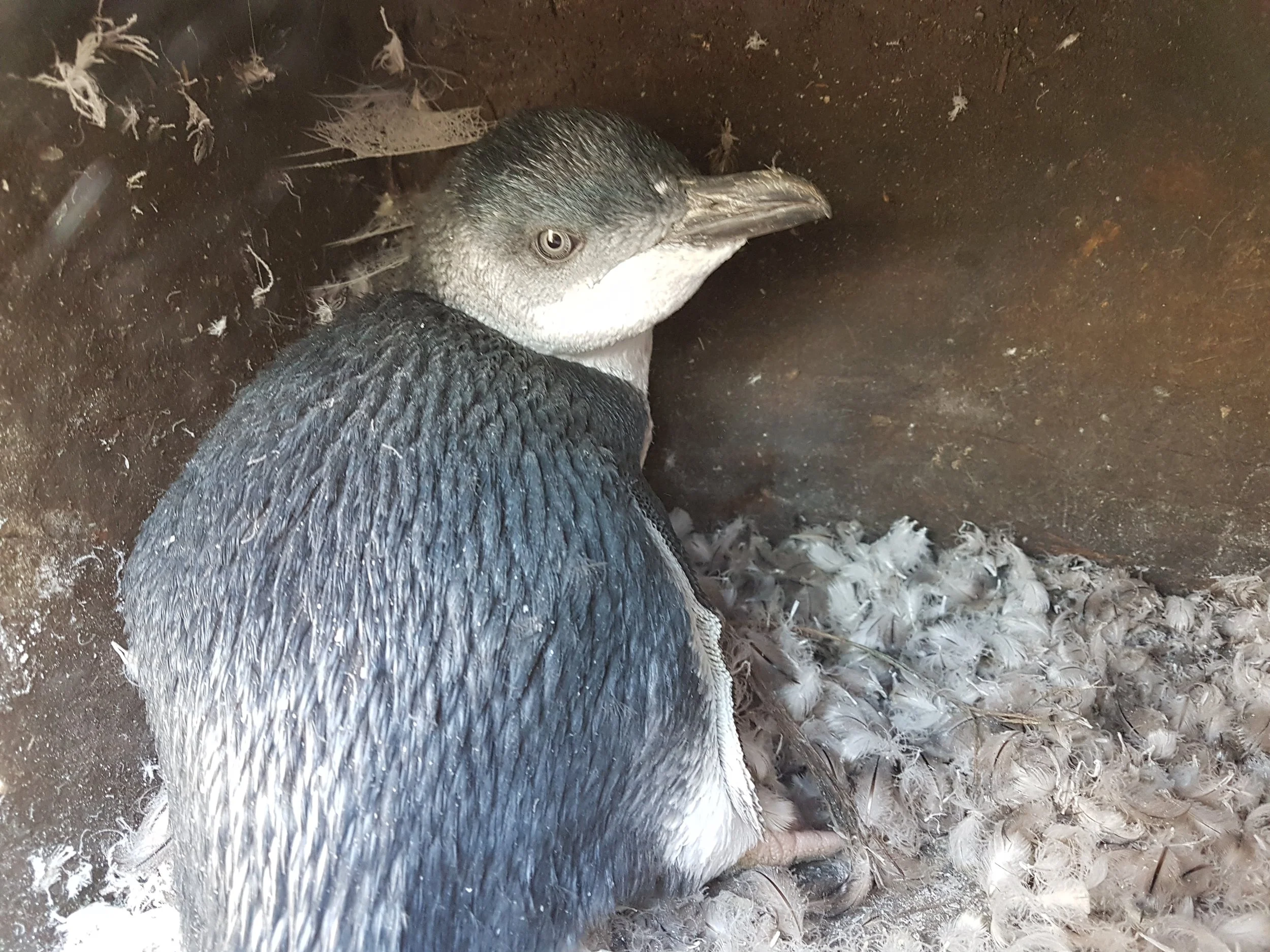
Seeing a real penguin up close helped bring home an important message: although kororā are small and undeniably endearing, they are wild animals. Their beaks and feet are powerful, with sharp points and claws, and they must never be touched or disturbed in the wild.
Of course, there was plenty of movement and laughter along the way. The children had a chance to waddle and act like penguins, bringing their learning to life through play.
Neil Anderson of Kororā Penguin Guardians then demonstrated how a trail camera works, showing how these devices can help conservationists observe wildlife without constantly disturbing it. Trail cameras provide valuable glimpses into penguin behaviour and can help people better understand what is happening around nesting areas.
The session also included a specially created kororā activity booklet prepared by Edyta Materka of Kororā Penguin Guardians. Hand-bound with handmade watercolour covers, the black-and-white booklets featured colouring activities, age-appropriate maths challenges and word puzzles. The children were able to take their booklets home, giving them something to share and explore with their families.
Turning learning into action
The Green School visit didn't stop at the classroom door.
In the second part of the session, students and teachers took part in a tie-dye T-shirt workshop and painted conservation equipment that would form part of their upcoming fieldwork on Ōakura Beach. The workshop was organised by Kororā Penguin Guardians and the fieldwork funded by Kororā Penguin Guardians with Green School NZ and Ngā Motu Marine Society helping to great the experience.
Images below show children creating their tie die tee shirts (left) and students painting the nest boxes.
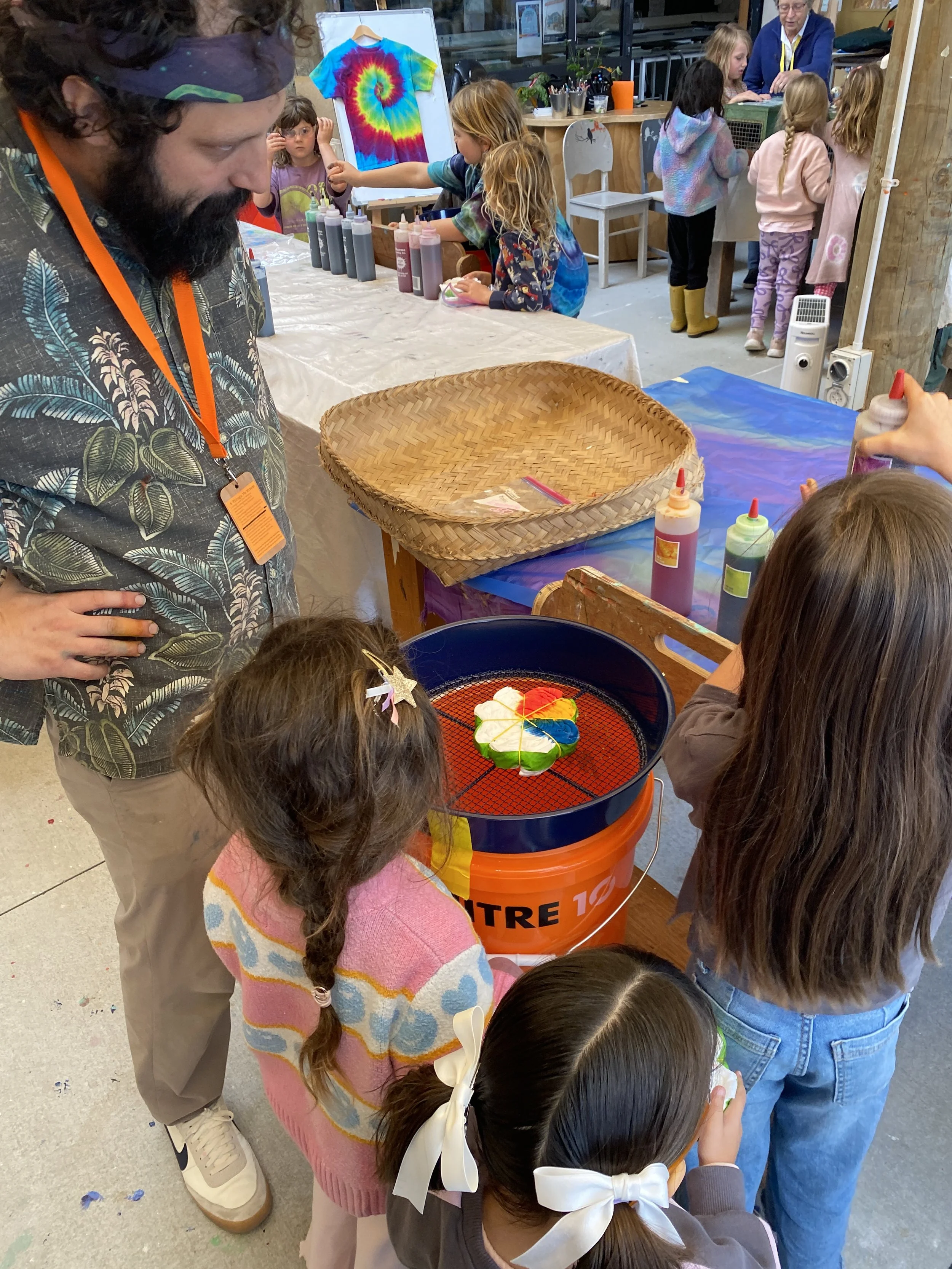
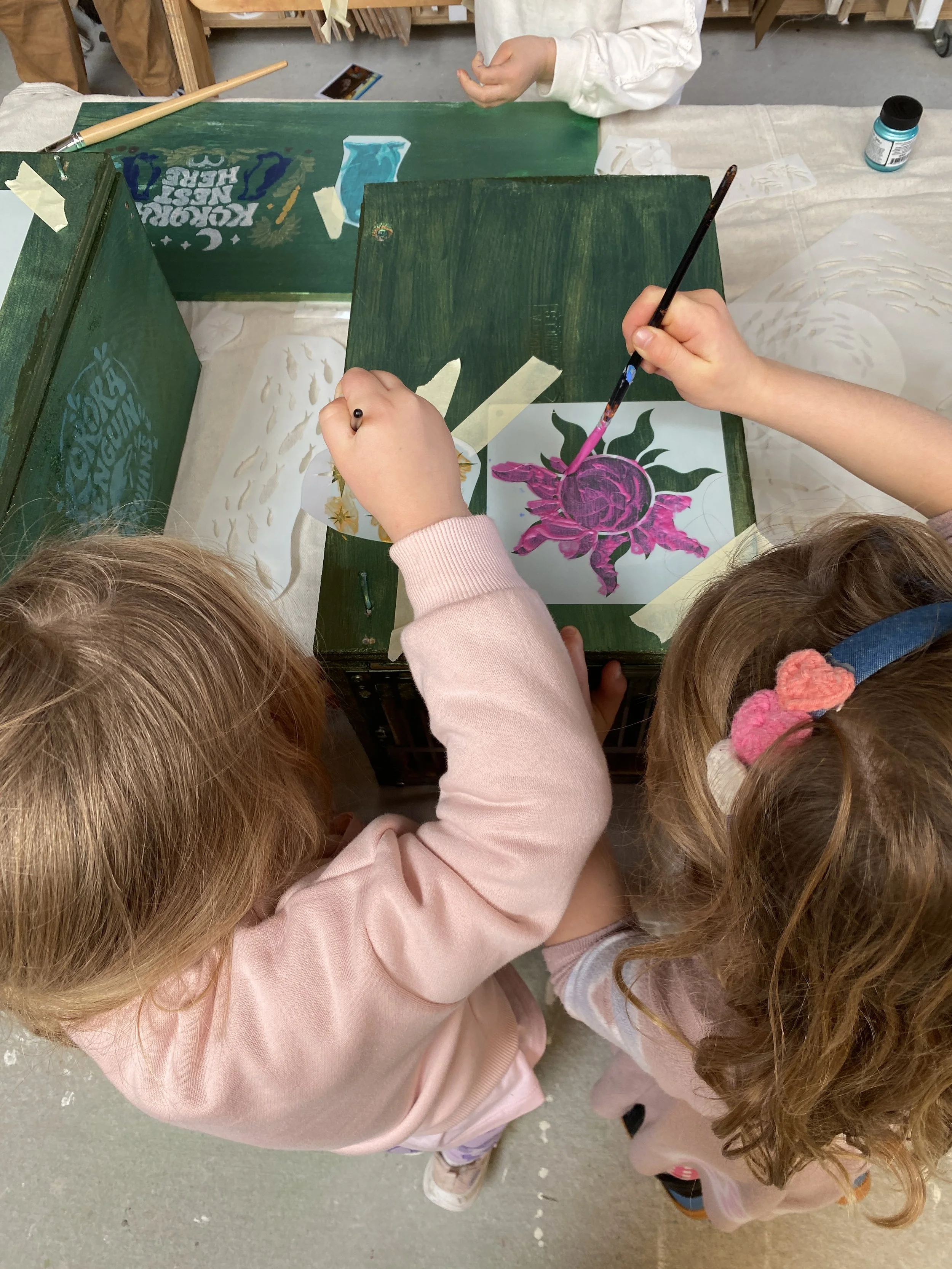
Together, they decorated three predator-control boxes supplied by New Plymouth District Council, two penguin nest boxes and a handmade sign reading “Kororā Nest Here” that were made by the Kororā Penguin Guardians, at home with simple building materials and paint.
The workshops gave students a practical way to contribute to conservation while connecting their creative work with a real-world purpose. Rather than simply learning about the threats facing penguins, they were helping prepare materials used to demonstrate how conservation efforts can work together.
The planned beach excursion would bring these ideas into the landscape itself, helping students understand the relationship between habitat, predators, monitoring and community care.
Citizen science on Ōakura Beach
On 1 September, the Year 1 and 2 Green School students headed to Ōakura Beach for a morning of outdoor learning and community action with Kororā Penguin Guardians and Ngā Motu Marine Society.
The west coast weather provided a suitably bracing welcome, with a windy morning greeting the group as they walked along the beach from Wairau Stream, keeping an eye out for rubbish along the way.
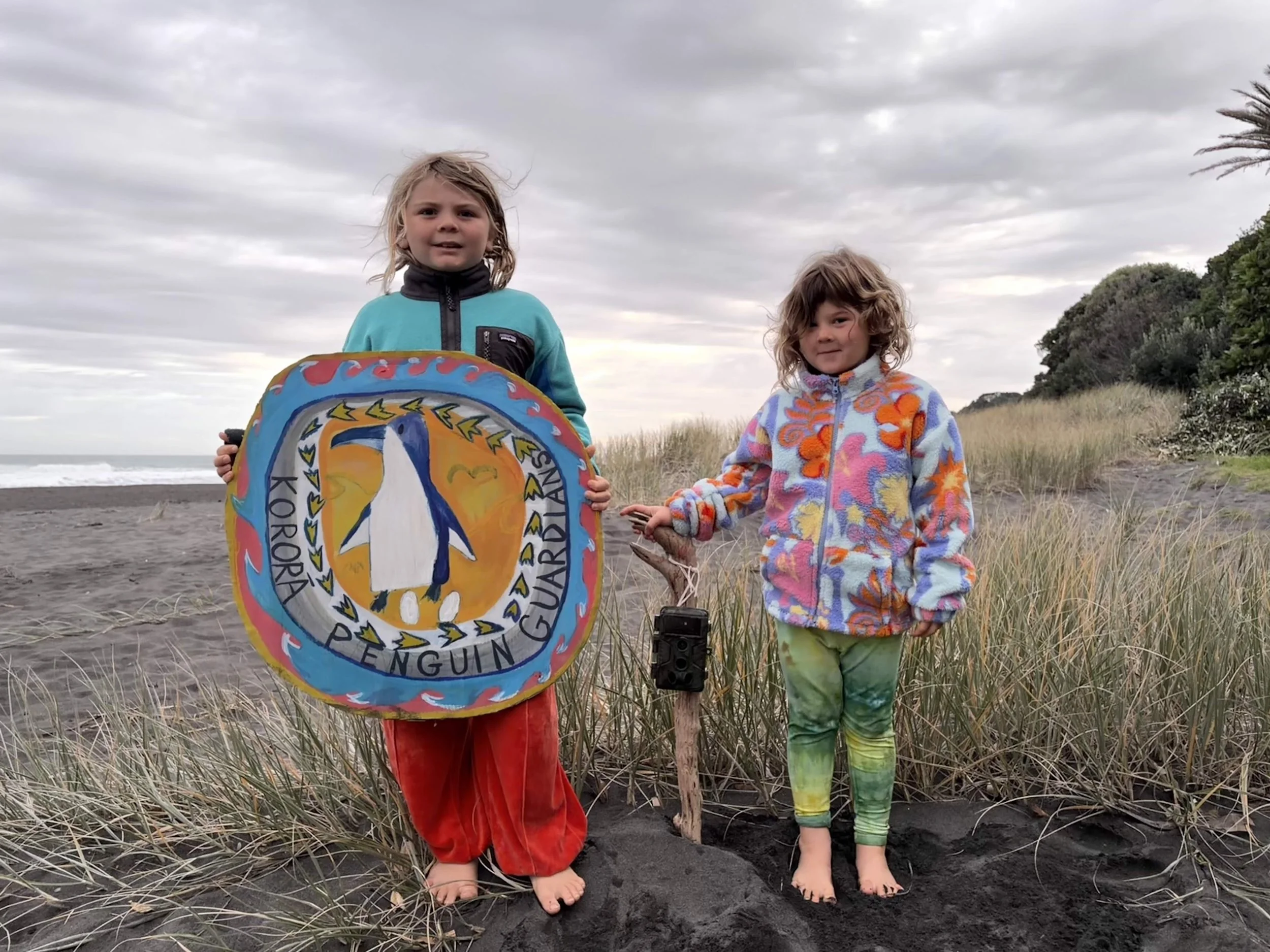
Images below show the group arriving on Ōakura Beach (left) and Felix (in blue jacket - ) of Kororā Penguin Guardians, also a Green School student, helping tamariki open the letter and map from local Kororā.
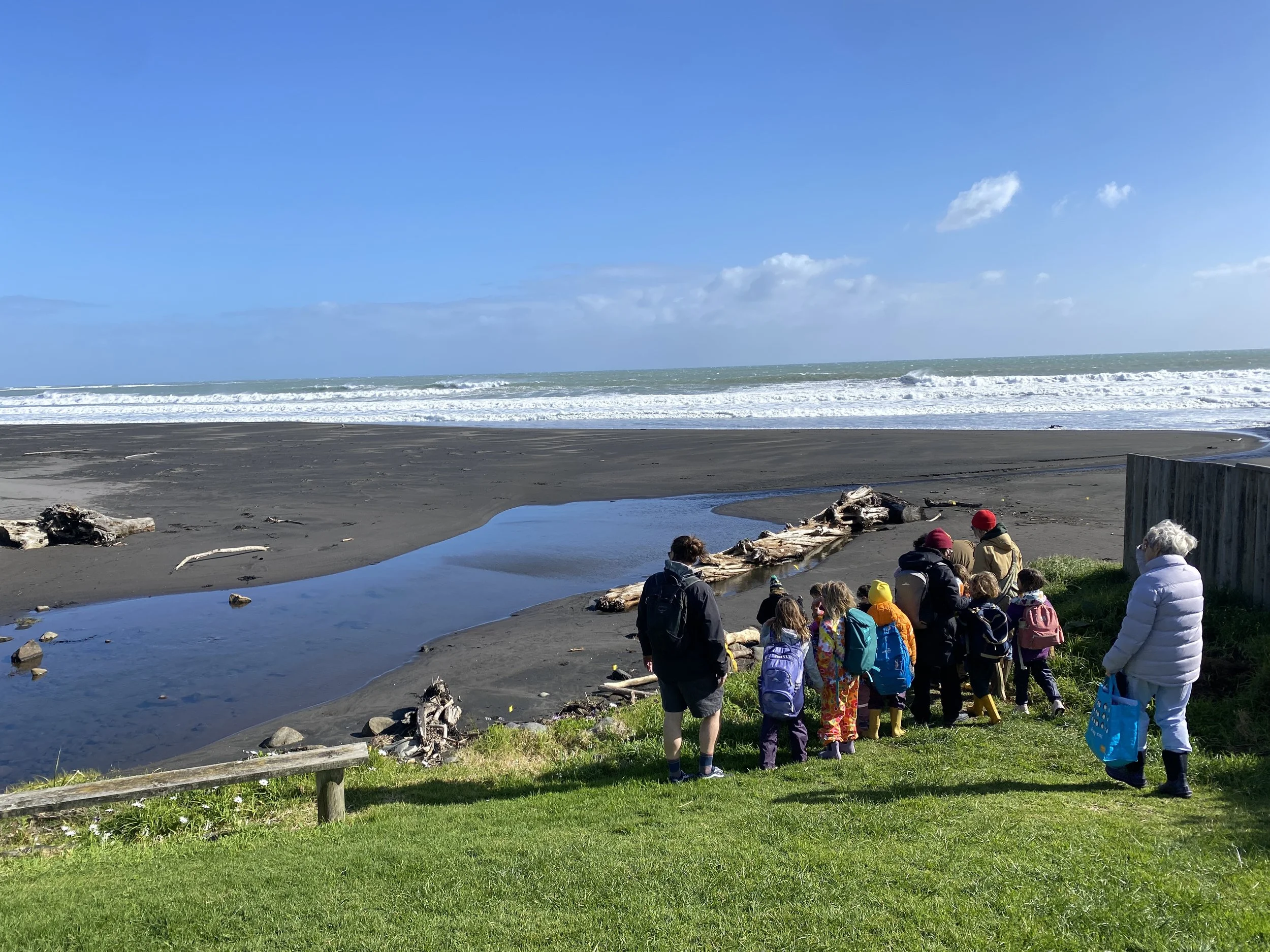
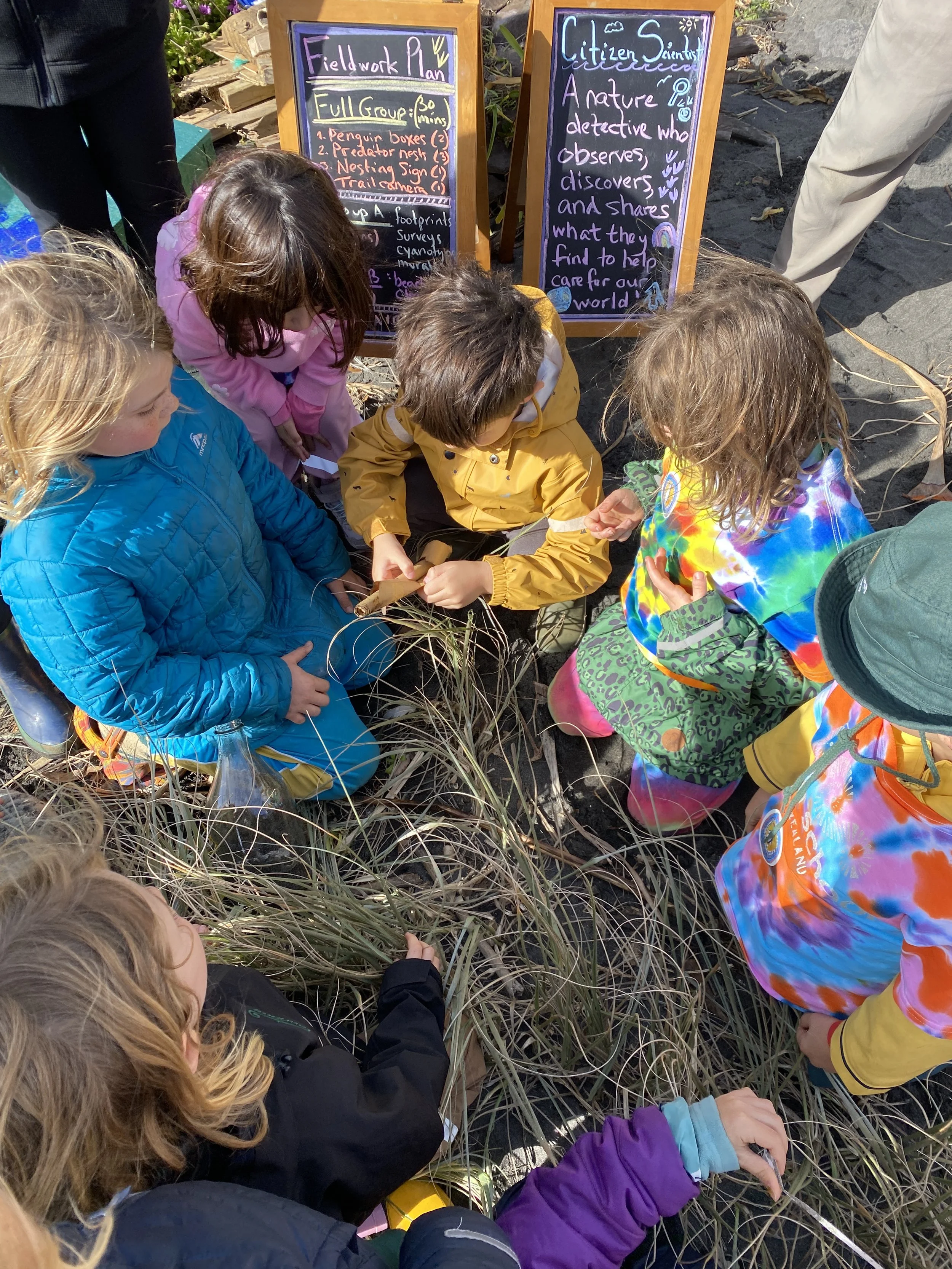
The morning began with a conversation about Kororā conservation and the activities ahead. There was also a little mystery and excitement when Felix’s old map-in-a-bottle discovery made an appearance. This was a letter and a map from local Ōakura beach Kororā, thanking tamariki for taking care of their habitat.
Elise spoke with the students about introduced predators, including stoats and other mustelids, and the risks they pose to nesting penguins. Small predators can follow Kororā to their nest boxes, making effective predator management an important part of protecting vulnerable birds and their chicks.
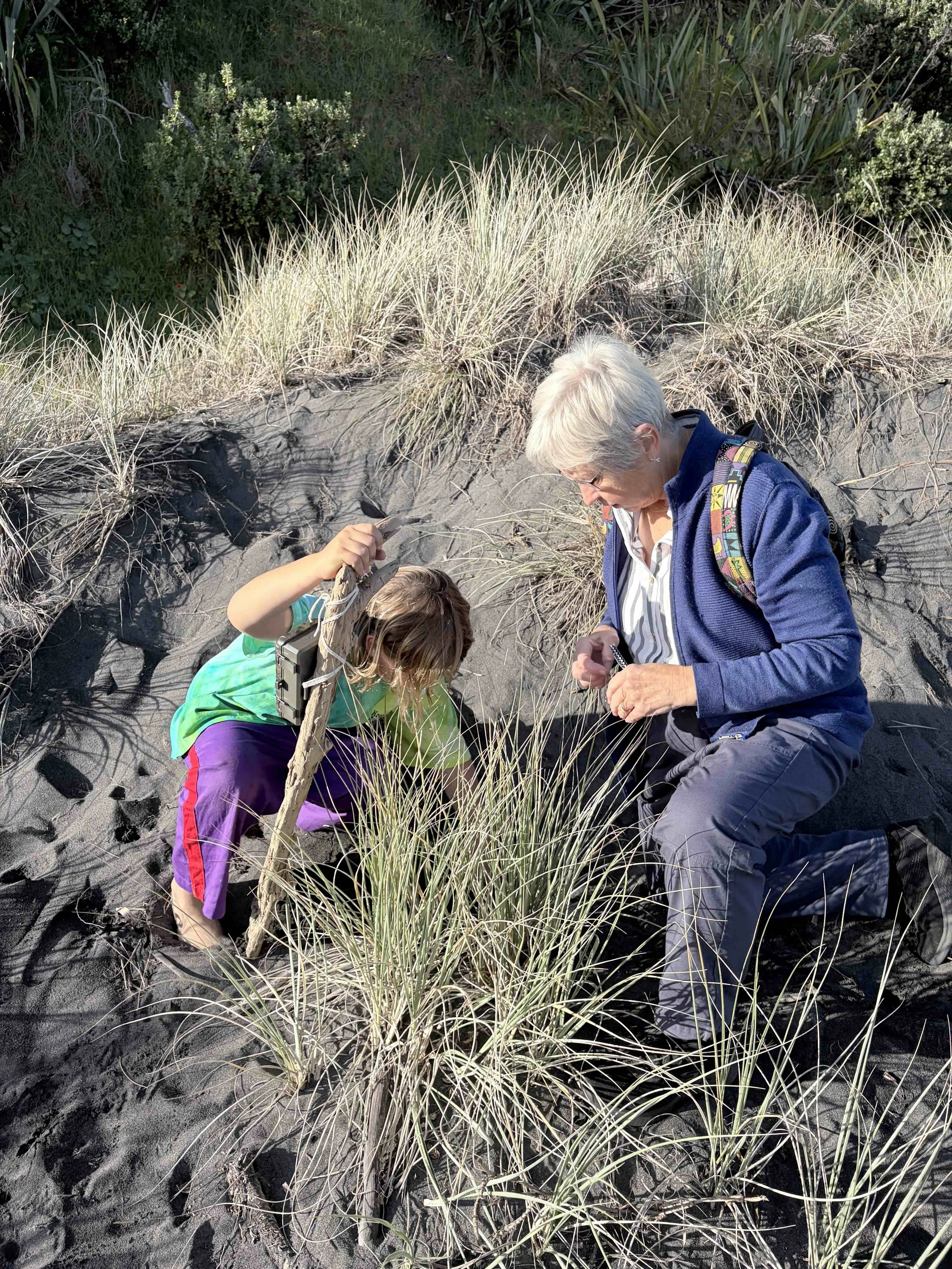
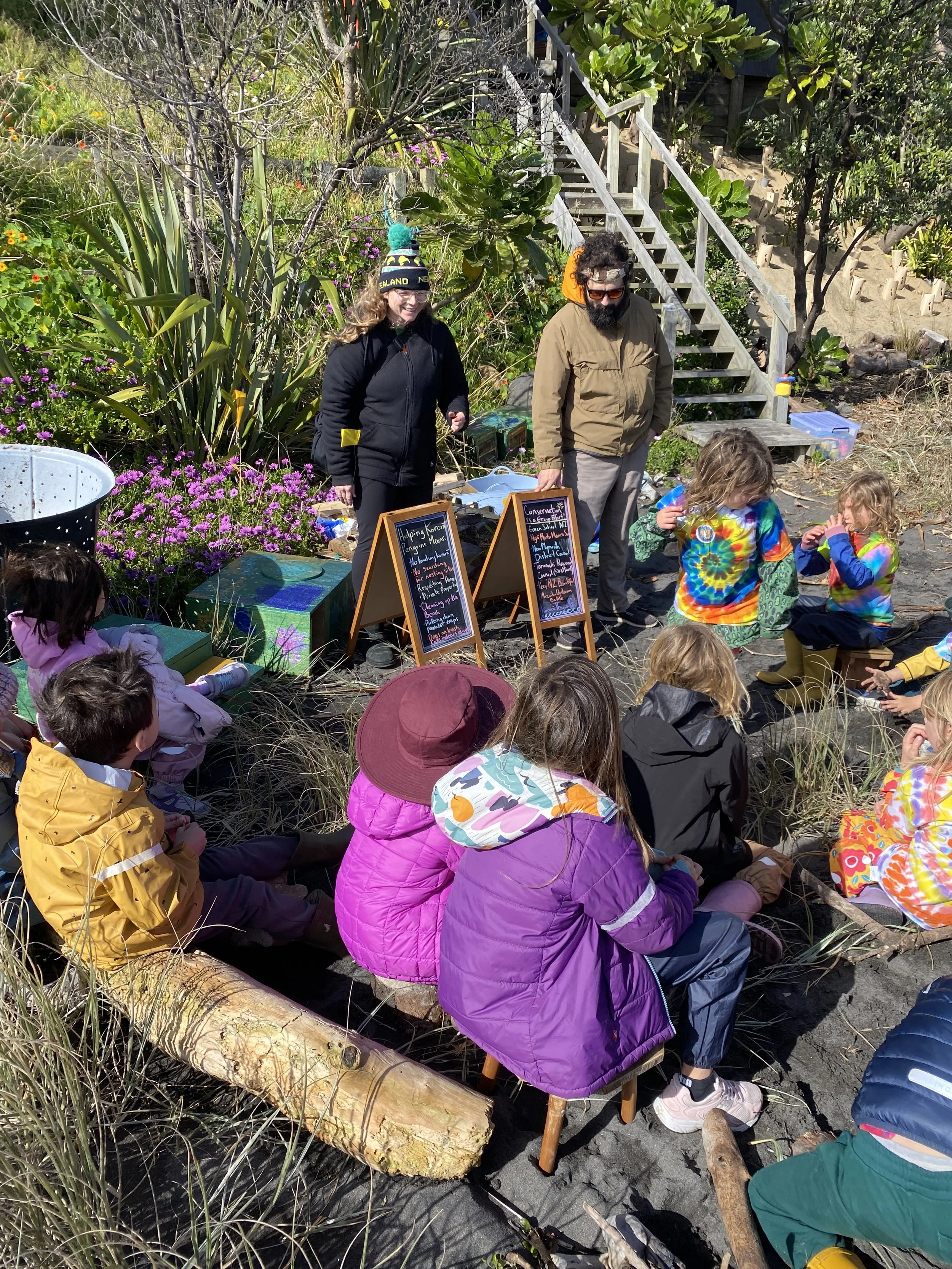
Then it was time to put the learning into practice. The children got involved in beach-cleaning activities and explored how people can observe and record signs of wildlife. They also had the opportunity to learn about penguin footprints and the use of simple field techniques to help us understand where wildlife travels.
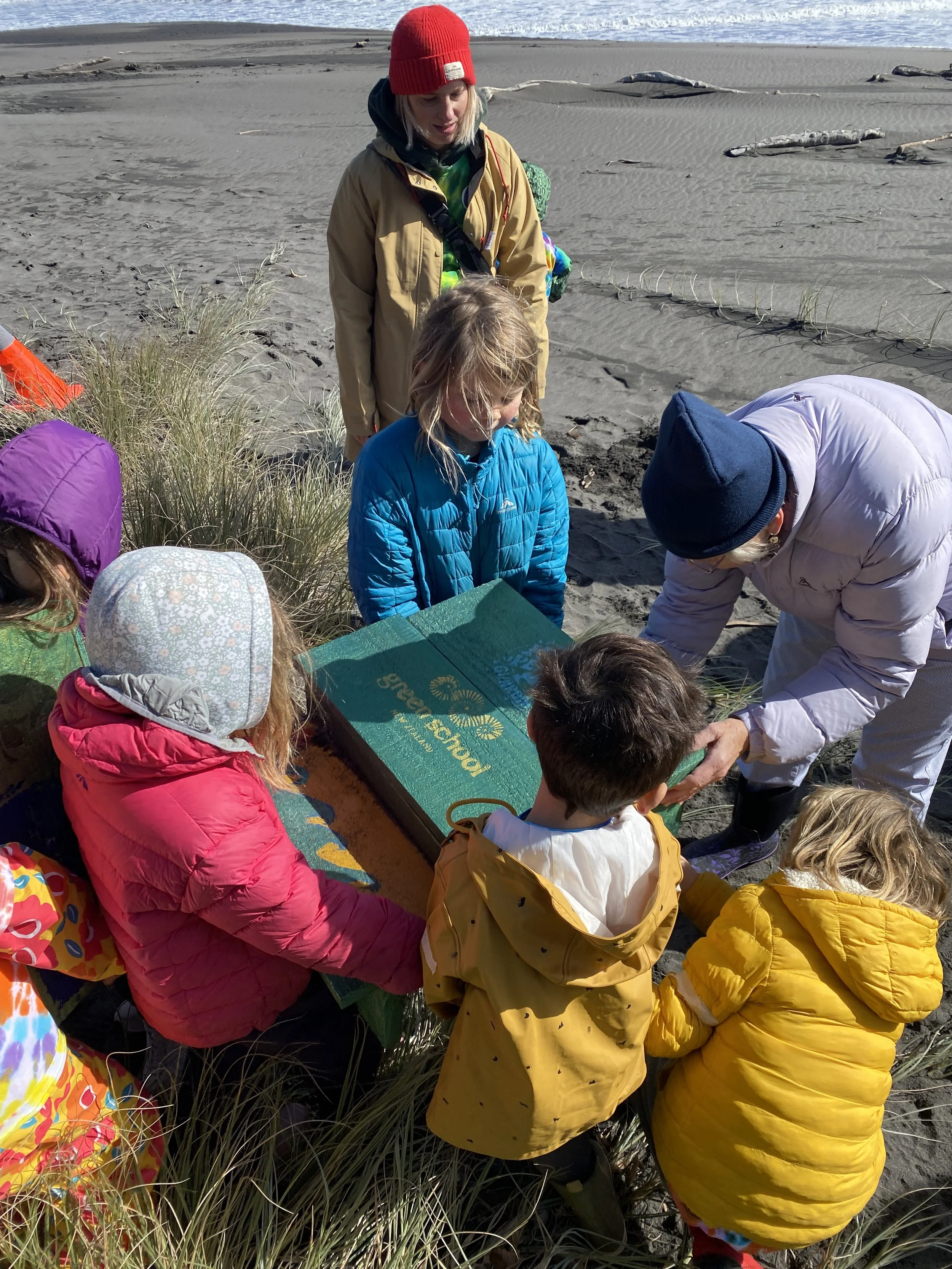
One of the hands-on highlights was digging in the dunes and positioning nest boxes and predator traps, giving the children a tangible demonstration of how carefully considered nesting habitat can fit into a broader conservation effort. The children carried the nest boxes as a group, working together to lift them, while other students took shovels and helped clear the sand to position the nest boxes with Elise’s expert supervision. A special moment where tamariki were able to connect with a true expert in the field of conservation.
Images below show children lifting a Kororā nest box as a team (left) and flags identifying rubbish for the nature clean up.
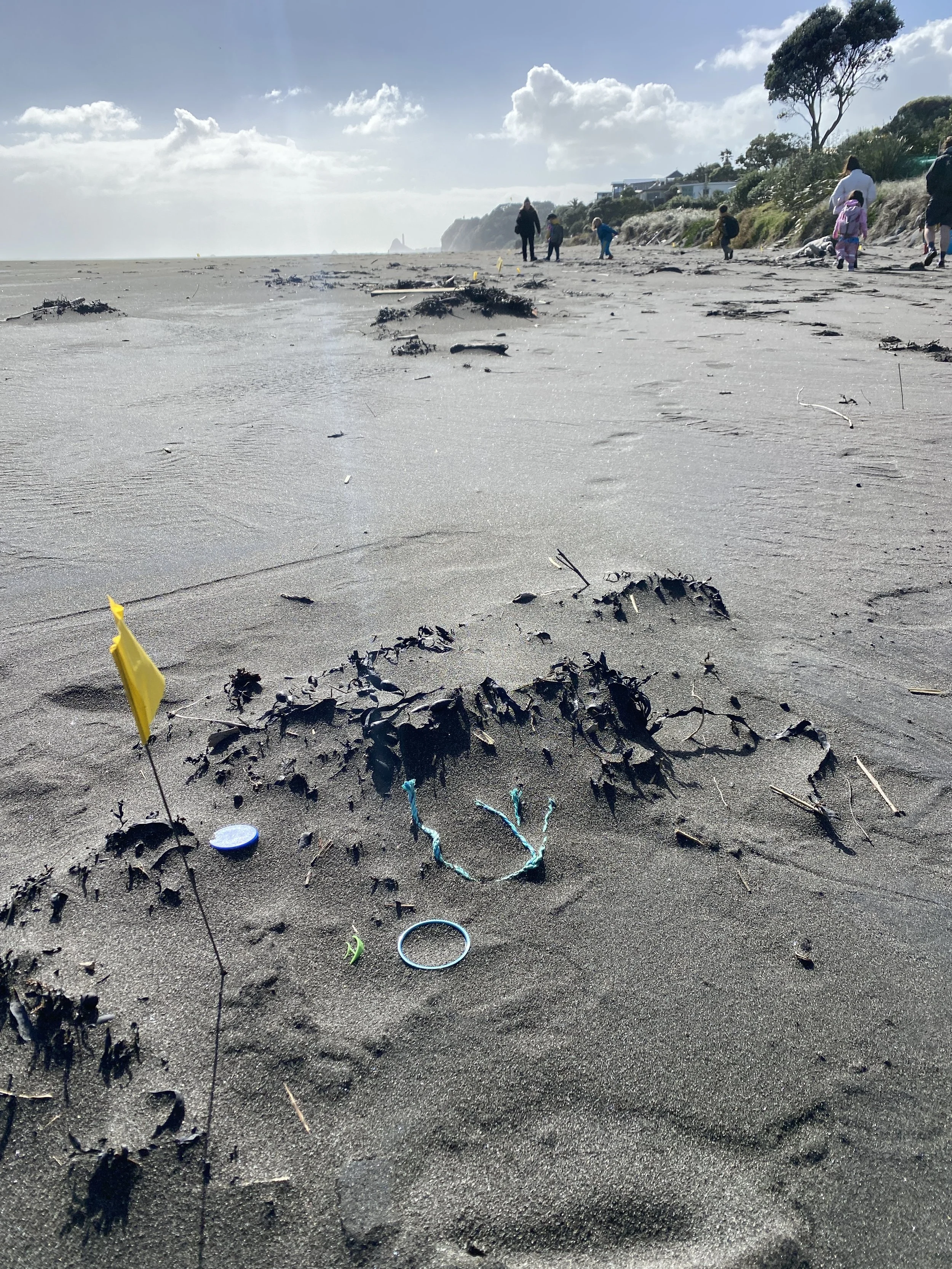
The equipment painted at school helped illustrate how nest boxes, predator-control measures, signs and trail cameras can work together as part of a conservation approach.
Just as importantly, the day reinforced the need to respect wildlife and its habitat. Exact locations of active wild penguin nests were not disclosed, both to protect the birds and students and to respect private property. Conservation education must always go hand in hand with responsible behaviour.
For young learners, this is what citizen science is all about: looking closely, asking questions, gathering observations and understanding that even small contributions can form part of a much larger effort.
A community wave for cleaner coastlines
Kororā advocacy continued in September through wider community engagement, including the Hirepool Big Clean with Sustainable Coastlines and Sustainable Taranaki 14 - 21 September 2026.
The large-scale initiative brought together schools, businesses, charities, volunteers and conservation groups, with hundreds of participants involved in activities across the region.
The programme combined beach clean-ups with opportunities for children and the wider community to learn about waste reduction, upcycling, composting, pest control and conservation.
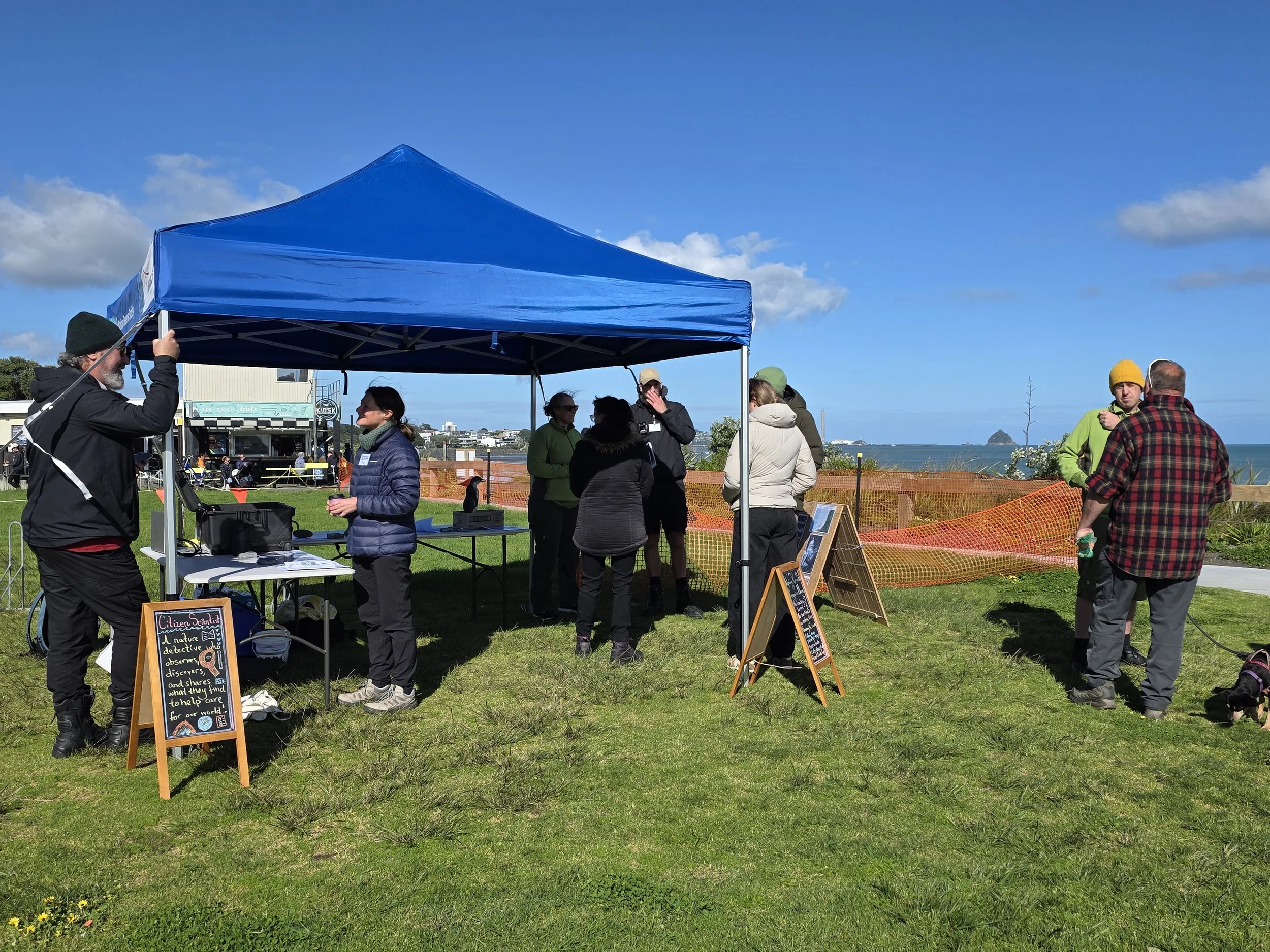
At the community event on Sunday 20th September, visitors could learn about kororā and other coastal wildlife through information displays, fact sheets and visual resources. A taxidermy penguin offered a close-up look at a bird that many people may otherwise only glimpse from a distance. Information about shorebirds and seals also helped broaden the conversation to include the diversity of wildlife living along our coastline.
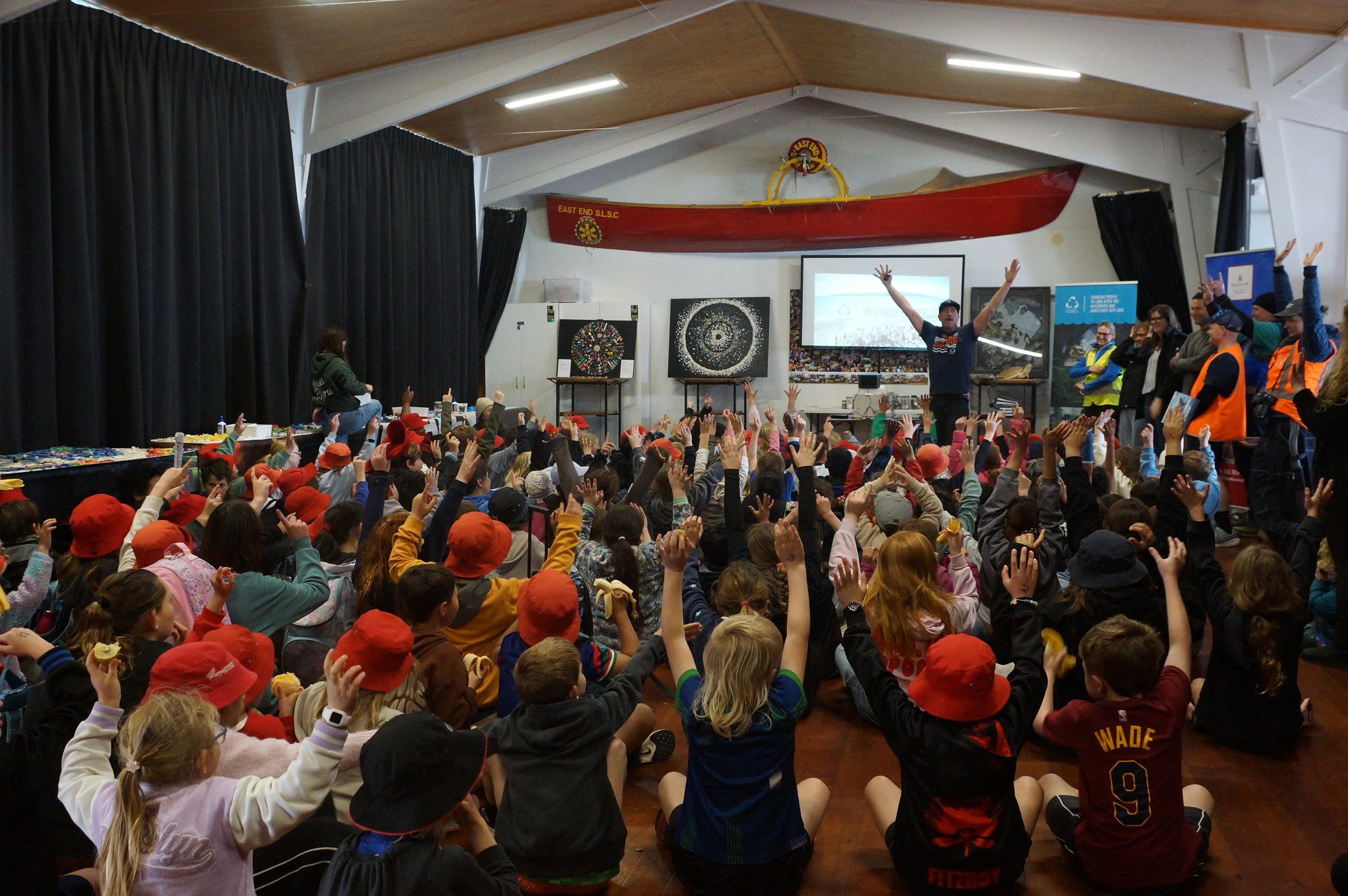
Then on Monday 21st September, Ngā Motu Marine Society’s Elise Smith and Sophie Walker delivered kororā education sessions to school children. These sessions aimed to connect the issue of marine and coastal litter with the wider need to care for the wildlife that calls our shores home.
Images below from left, Kororā and Ngā Motu Marine Society stand at the Sunday community event at East End Surf Club, and tamariki on the beach during Monday clean up.
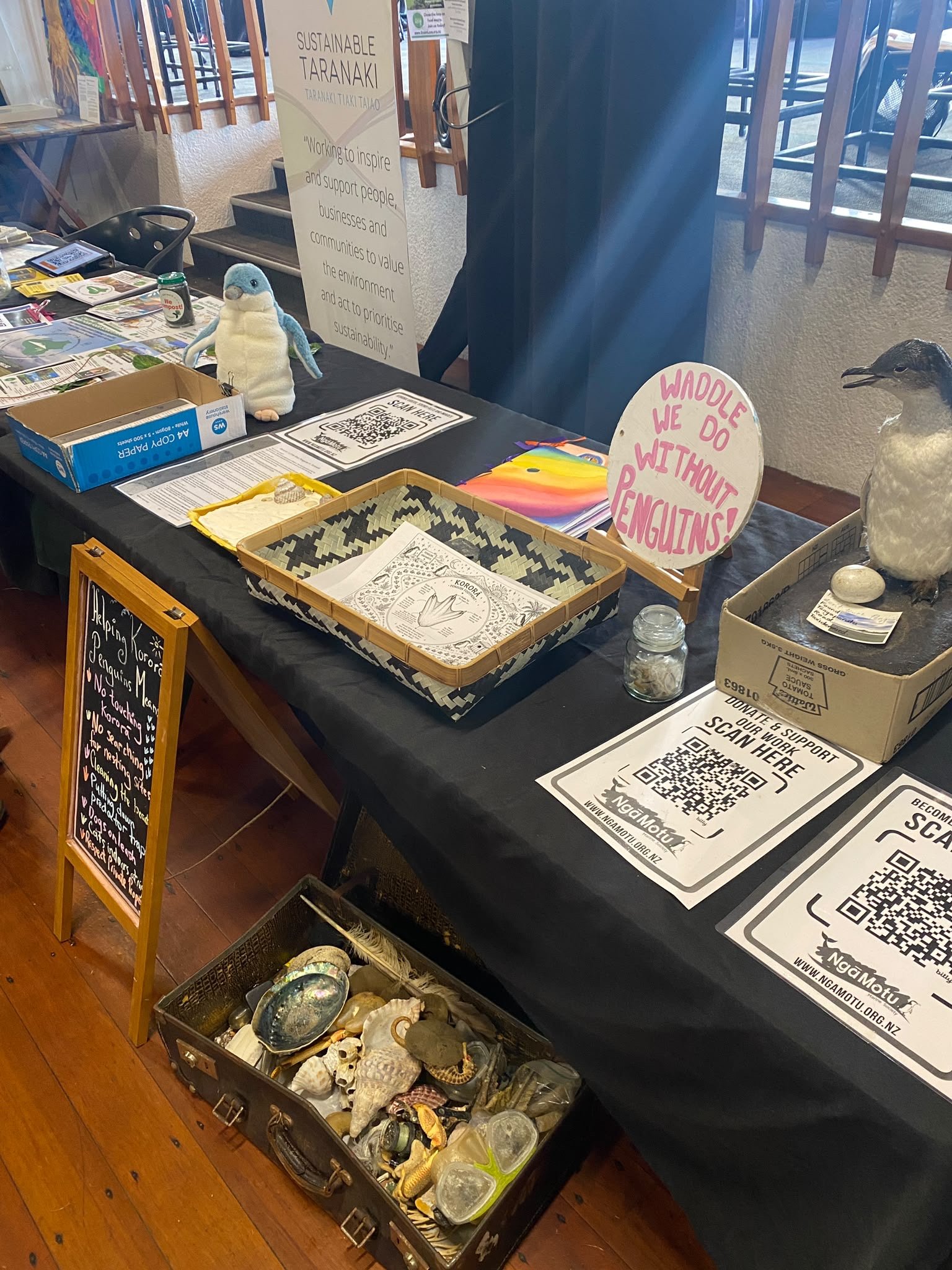
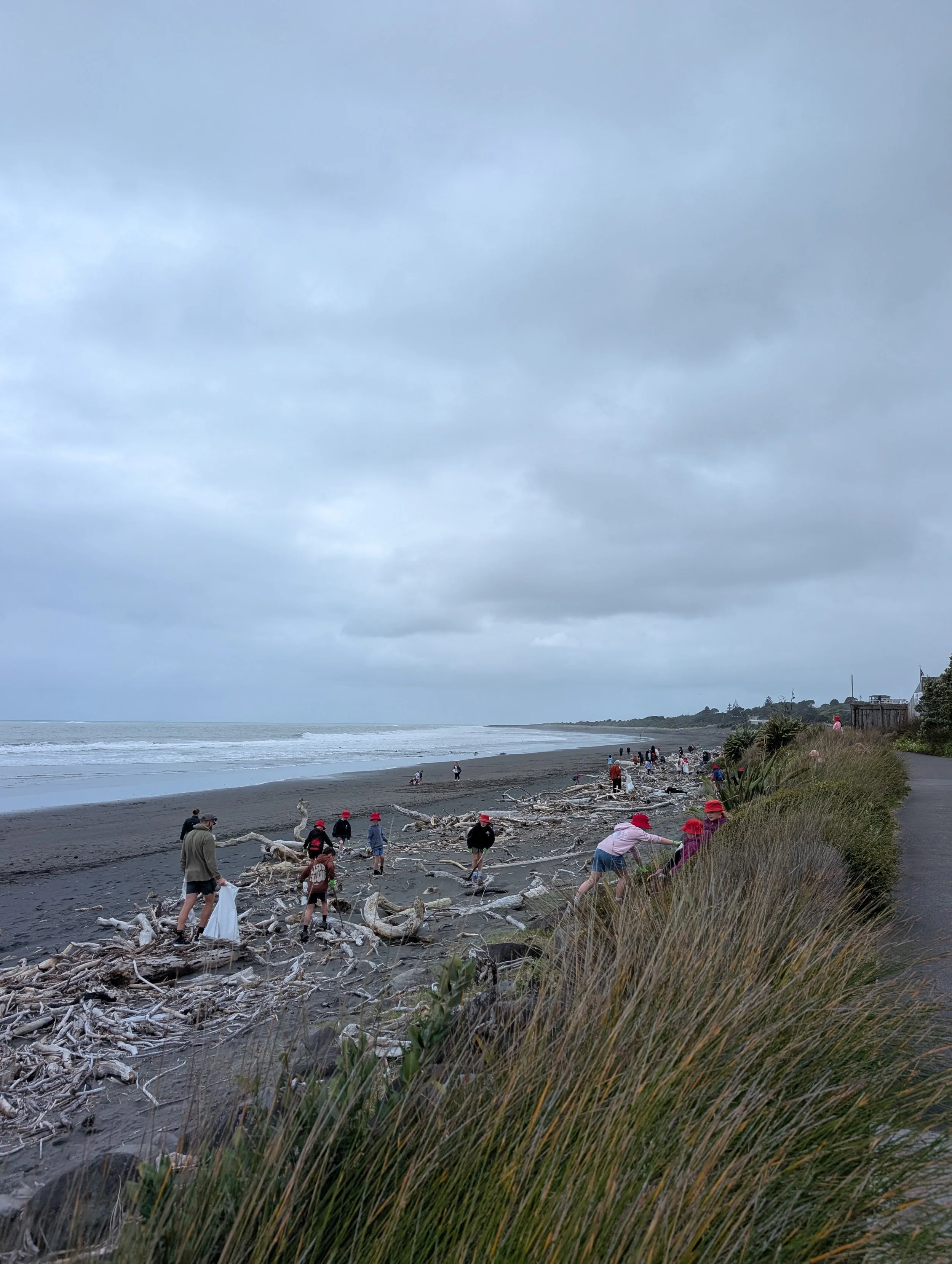
The displays and resources encouraged people to think about their own role in protecting coastal ecosystems, from disposing of rubbish responsibly to understanding the pressures that introduced predators, disturbance and human activity can place on wildlife.
Events like the Hirepool Big Clean are a valuable reminder that conservation is not the responsibility of one organisation or one group of specialists. Schools, families, community organisations, councils and individual beachgoers can all contribute to healthier coastlines.
Protecting wildlife starts with everyday choices
As spring arrived, attention turned to another important issue for Taranaki’s coastal wildlife: the behaviour of dogs on beaches.
On 17 October, a collaborative advocacy initiative at Fitzroy Beach, involving Wild for Taranaki, the Department of Conservation (DOC) and Ngā Motu Marine Society. The outreach was designed to engage with dog owners and raise awareness of the wildlife that shares our beaches and dunes.
Dogs are an important part of many families’ lives, and responsible dog ownership can make a real difference to the safety of native wildlife. Even a dog that is simply playing or following its instincts can cause serious harm when it chases, corners or disturbs wild animals.
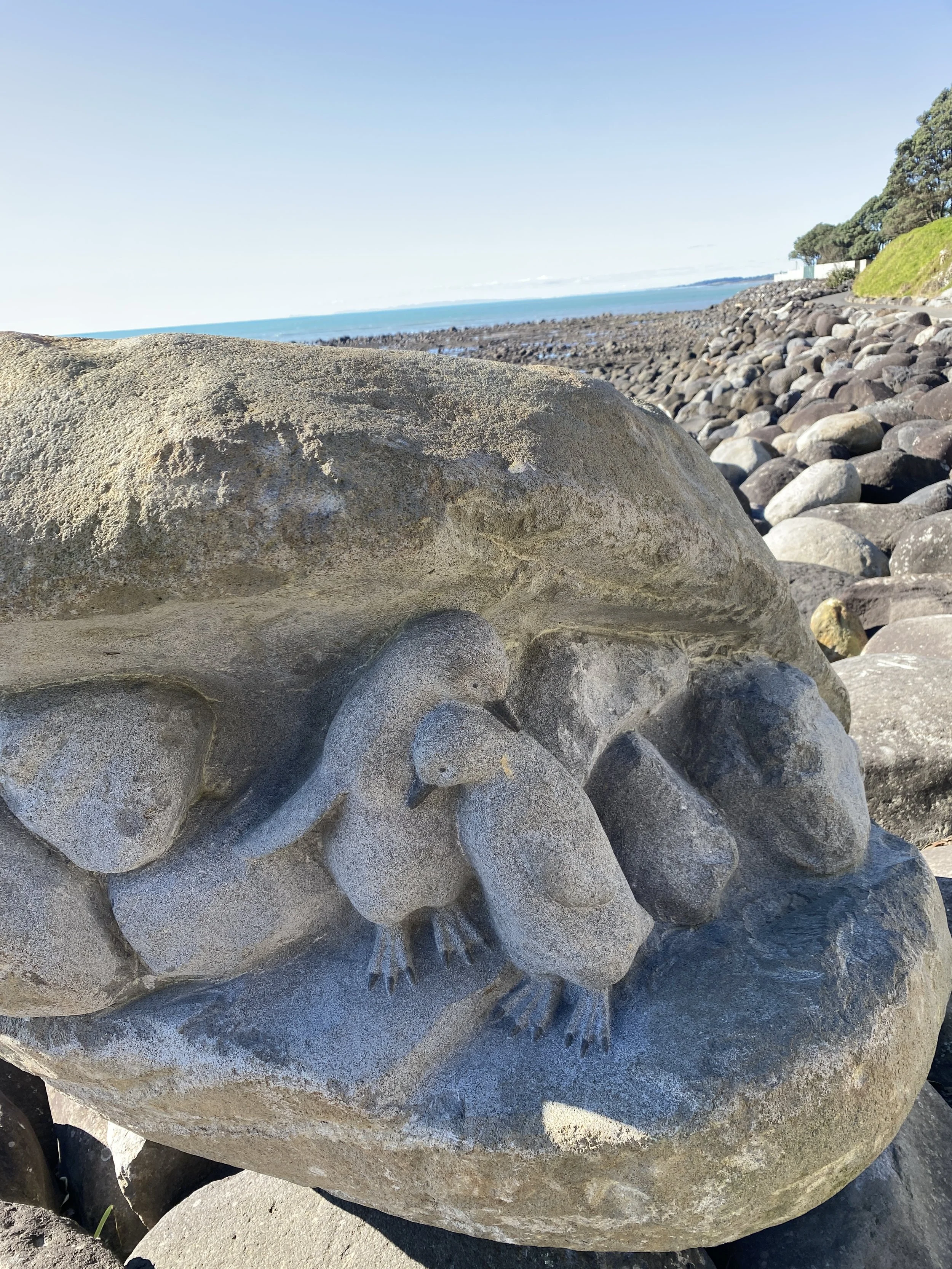
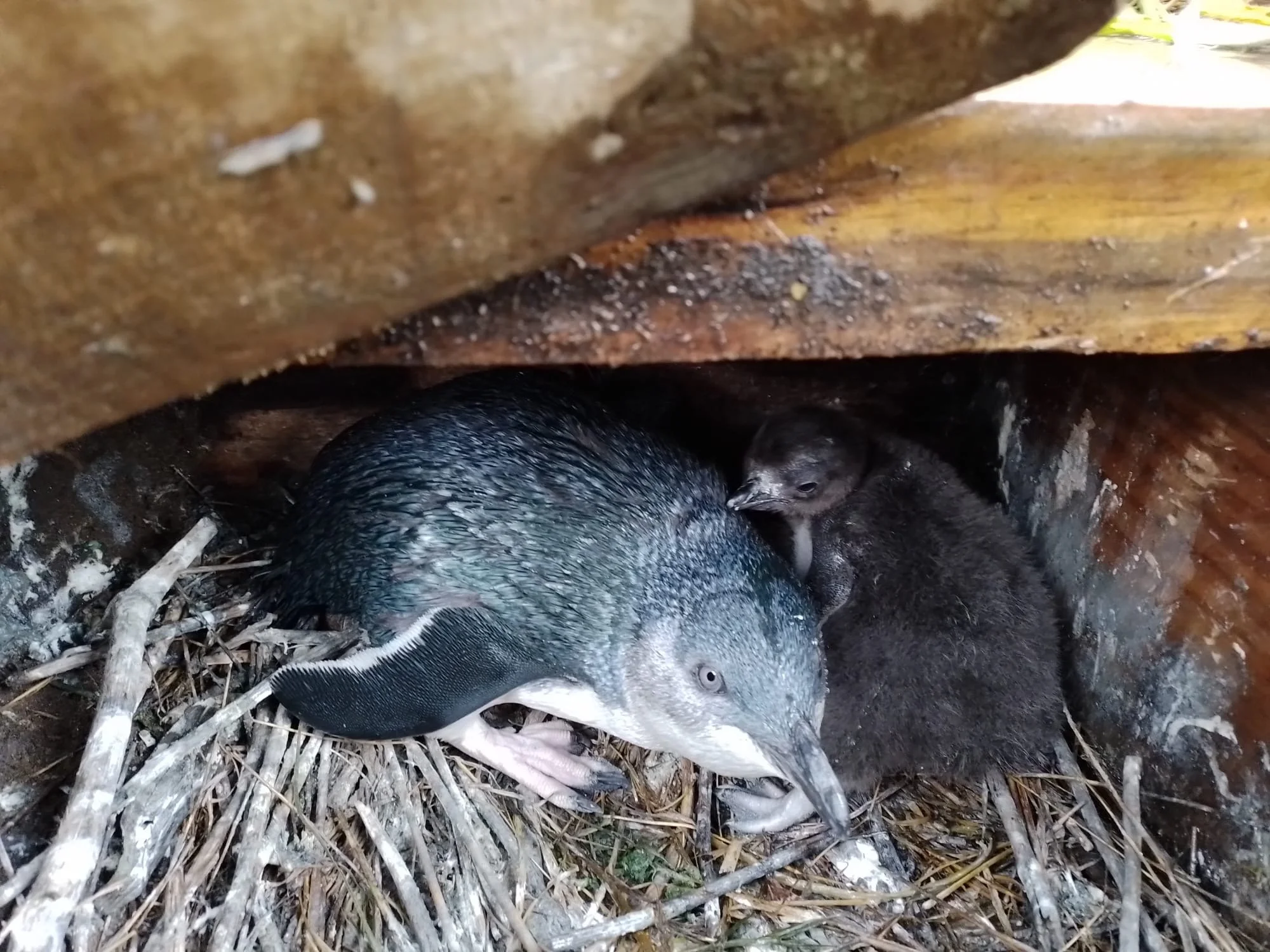
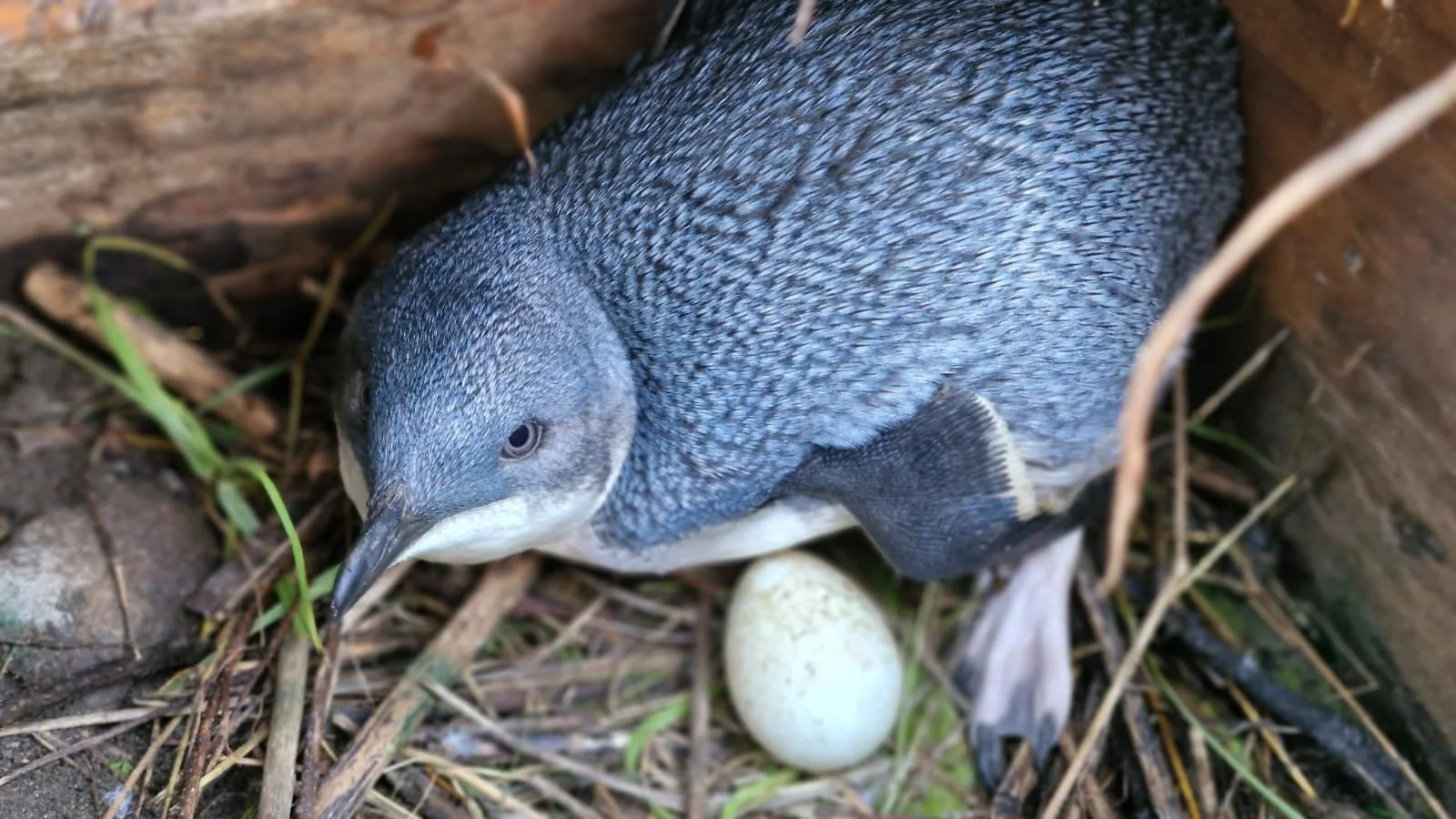
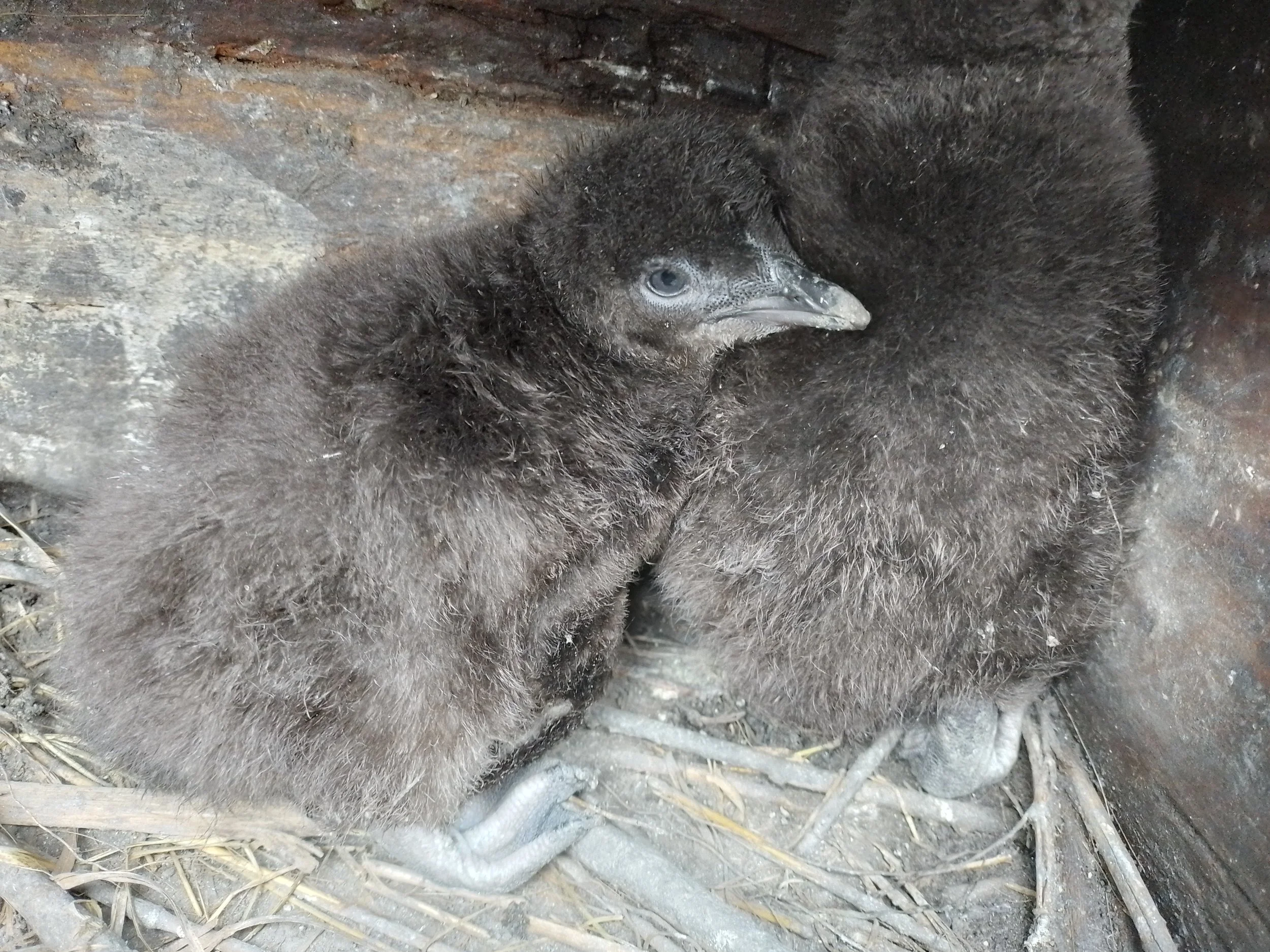
Kororā nest along the Taranaki coastline, including in dunes and other places where people may not realise penguins are present. Free-roaming dogs can disturb nesting birds, damage nest sites or put adults and chicks at risk. Other coastal wildlife, including seals and shorebirds, also needs space and protection.
Images below from left, Kororā nesting on rocks along Taranaki coastline and conservation group representatives talking with dog owners.
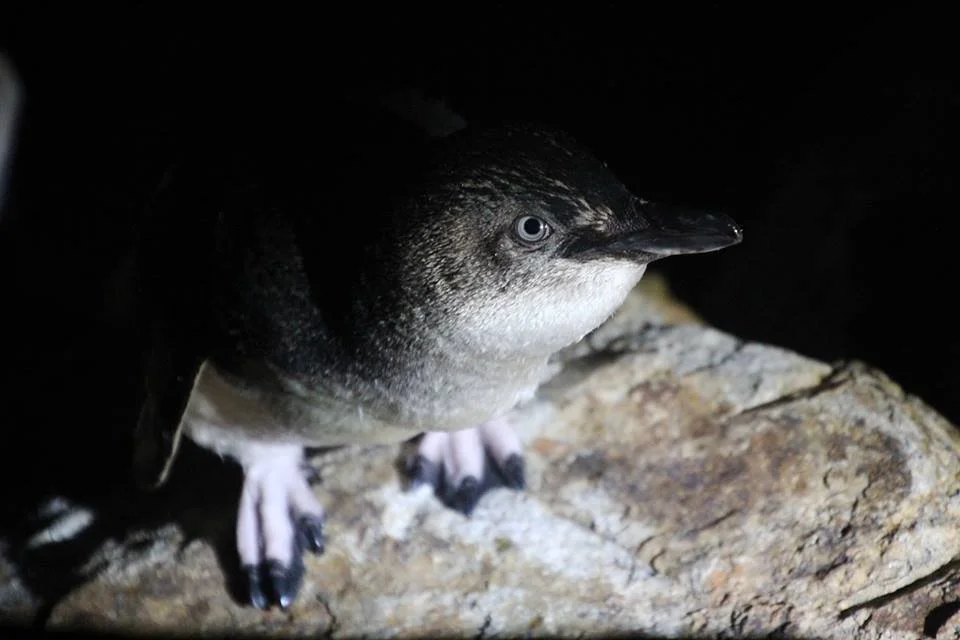
The Fitzroy outreach focused on several practical messages for beach users:
Know the rules: Check local dog-control requirements and understand where dogs must be on a leash or are restricted from the beach.
Protect nesting habitat: Keep dogs under control and out of sand dunes where kororā may be nesting.
Give wildlife space: Keep at least 20 metres away from seals and never allow dogs to chase or harass wildlife.
Remember that native birds need protection: Even familiar birds, such as red-billed gulls, are part of our coastal ecosystems and should not be harassed.
Plan ahead: Seasonal dog-access restrictions apply at East End and Fitzroy beaches over the summer period. Check current council guidance before heading out.
The event was timed ahead of the Labour Weekend changes to beach access, when reminders about dog-control rules are particularly useful. DOC rangers were present, with the participating organisations working together to encourage positive conversations and help people make informed choices.
The initiative also reflected a broader approach to wildlife protection: education and compliance can reach more people. Clear information, visible signage and consistent messaging help build a shared understanding of how people and wildlife can safely coexist.
Working together for kororā
Across these activities, one theme has remained constant: effective conservation depends on people working together.
Ngā Motu Marine Society’s collaboration with Kororā Penguin Guardians, Green School New Zealand, Sustainable Coastlines, Sustainable Taranaki, Wild for Taranaki, the Department of Conservation, New Plymouth District Council and community volunteers demonstrates the value of bringing different skills and perspectives to a shared goal.
Images below from left, tamariki with Sam Judd during the week-long Hirepool Big Clean, and Green School students with Edyta Materka and Neil Anderson from Kororā Penguin Guardians.
For the children at Green School, conservation began with stories, penguin footage, colouring and creative workshops. On Ōakura Beach, those lessons became a hands-on introduction to fieldwork and responsible observation. At community events and through coastal advocacy, the same messages reached a wider audience, encouraging people to think about how their everyday actions affect the wildlife around them.
Every conversation matters. Every piece of rubbish removed from the beach helps. Every dog owner who keeps their dog under control, every person who respects a nesting area and every child who grows up understanding the needs of native wildlife contributes to a more wildlife-friendly coastline.
Kororā are part of what makes Taranaki’s coast special. By continuing to connect people with these remarkable little penguins, we can help ensure that future generations not only know they are here, but understand how to protect them.
Want to help protect Taranaki’s coastal wildlife?
Learn more about Ngā Motu Marine Society’s conservation and education work, donate, become a member, support local coastal clean-ups, follow dog-control rules on beaches, and give kororā and other wildlife the space they need to thrive.
*This article was published by Sophie Walker on 6th November 2026