
Project Hotspot
Project Hotspot was a Taranaki based pilot project that used citizen science to support the conservation of threatened and iconic species. This was supported by the “Curious Minds” project, funded by MBIE.
-
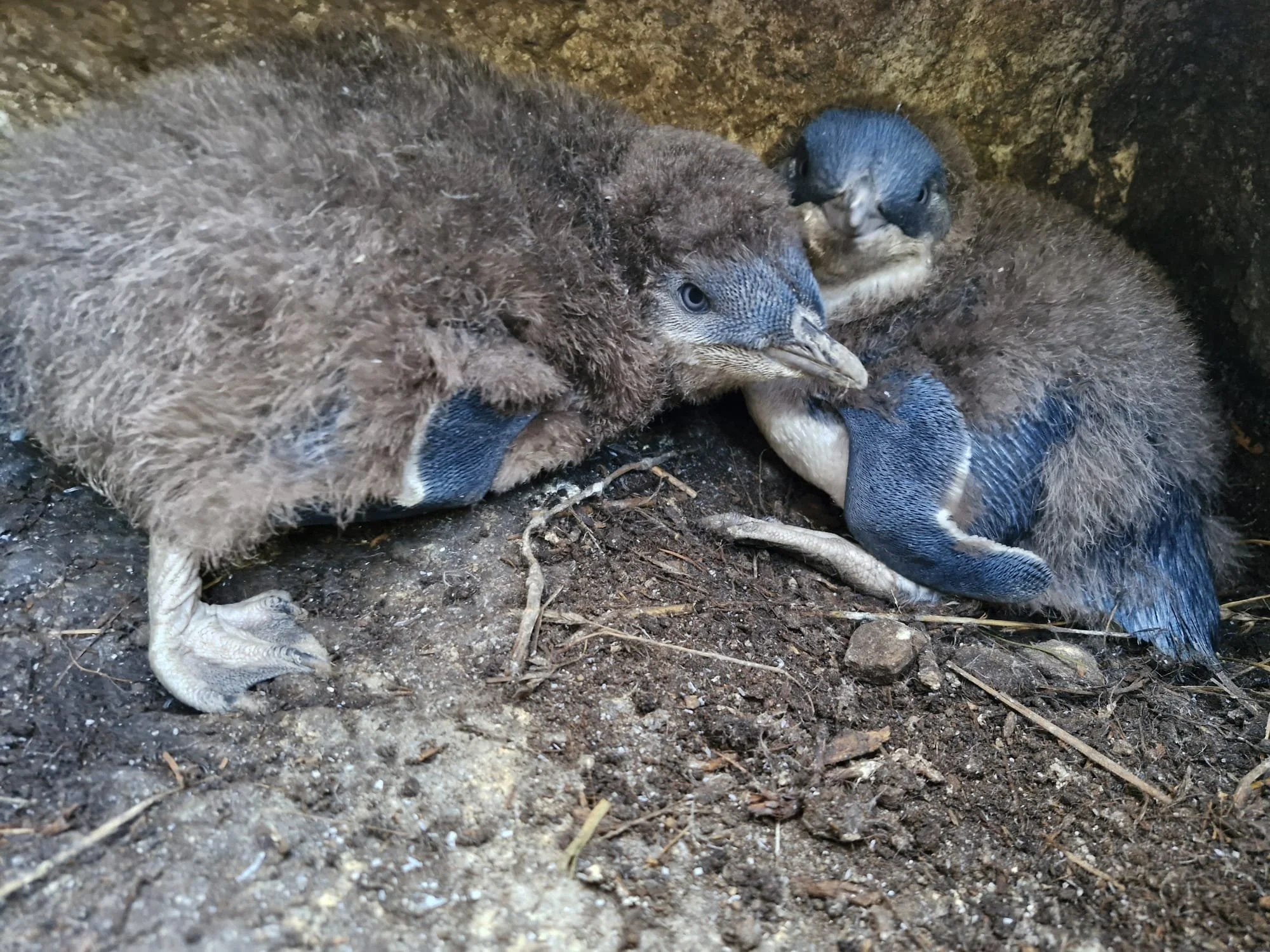
Kororā
THREAT CLASSIFICATION: AT RISK, DECLINING
NZ Population: 50,000 to 100,000 birds.
Behaviour: Return to nest areas at dusk. In burrows or out at sea fishing by day.
Habitat: Bays with suitable shelter/burrows.
Food: Small fish, crustaceans and squid.
Lay eggs: July to November.
Moult: January to March (penguins can’t swim when moulting, making them vulnerable to attack)
Main threats: Predators (dogs, cats, stoats) and coastal development.
ID Tip: Little blue penguins are rarely seen on land during the day but they do leave footprints in the sand. Check local beaches for footprints.When taking photos of footprints also include an object to provide scale e.g. keys. -
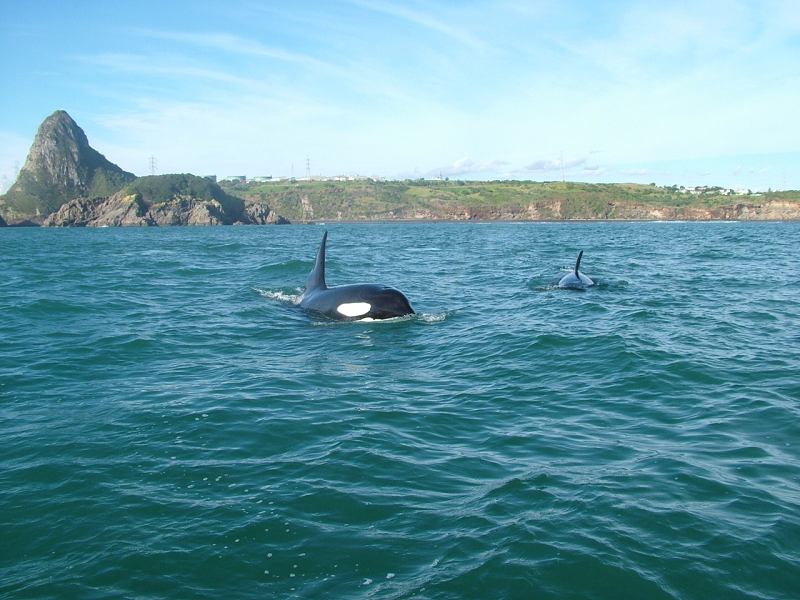
Orca
THREAT CLASSIFICATION: NATIONALLY CRITICAL
NZ Population - Less than 200
Behaviour: Typically seen in family groups or pods. Based on distinctive features, the Project Hotspot team have been recognising some of the same individual orca from the stunning photographs and videos you have provided us with. -
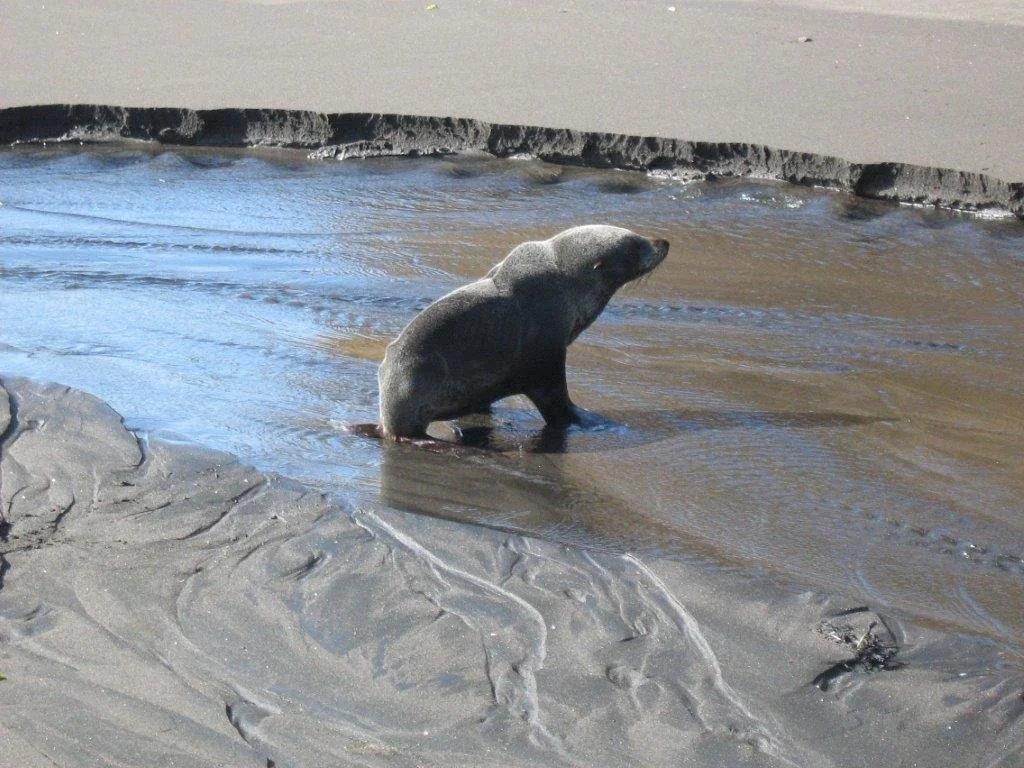
NZ Fur Seal
THREAT CLASSIFICATION: NOT THREATENED (REGIONALLY DISTINCTIVE)
NZ Population: Approximately 100,000.
Habitat: Important breeding colony and haul out areas on the Ngā Motu/Sugar Loaf Islands. Food: Mainly fish and squid.
Breeding season: Mate and give birth to pups November to January.
Main threats: Human activities including entanglement. -
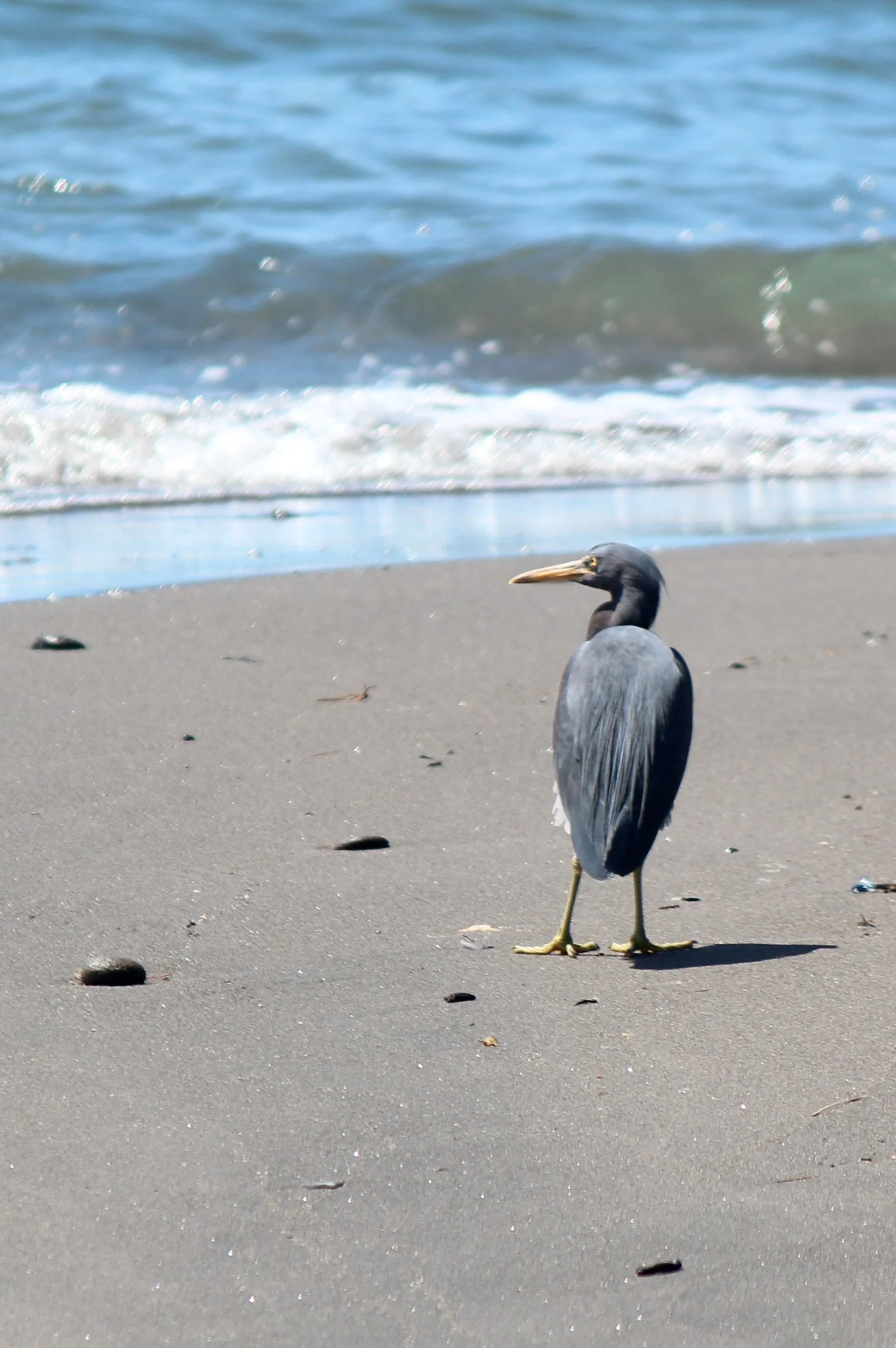
Reef Heron
THREAT CLASSIFICATION: NATIONALLY ENDANGERED
NZ Population: Only 300 to 500 birds.
Habitat: Rocky shoreline and estuaries.
Food: Small fish, crustaceans and worms.
Nest: September to December.
Main threats: Coastal development and disturbance by people/dogs.
ID Tip: Looks like white-faced heron. Reef heron has yellow eyes and bill. White-faced heron has a white face (adult) and black eyes and bill.